


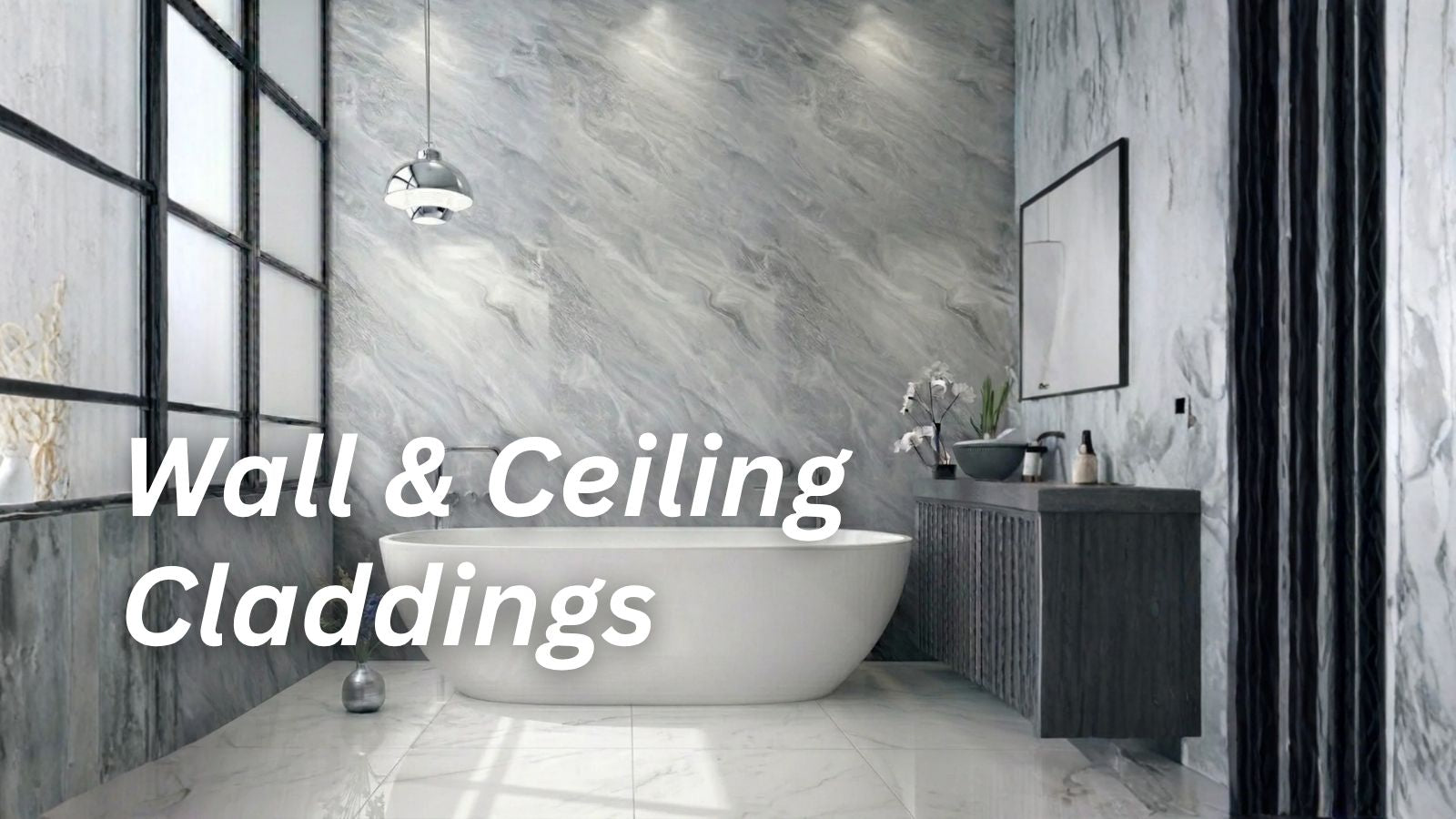
🧩 Tired of Scrubbing Grout? Here’s What Most UK Homeowners Get Wrong
Designing a bathroom that feels modern, clean, and easy to maintain often seems straightforward at the beginning — until the reality of daily use sets in. Many UK homeowners invest in traditional tiles expecting a long-lasting solution, only to find themselves constantly dealing with stained grout lines, trapped moisture, and the ongoing battle against mould.
What most people don’t realise is that the issue isn’t their cleaning routine — it’s the surface itself.
If you’re looking for a smarter, more practical upgrade, bathroom cladding UK solutions offer a way to completely rethink how your bathroom walls function, combining style, durability, and ease of maintenance in one seamless system.
What Is Bathroom Cladding (And Why It’s Becoming So Popular)?
Bathroom cladding refers to waterproof wall panels, typically manufactured from high-quality PVC, designed to create a protective barrier against moisture while enhancing the visual appeal of your space.
 Unlike traditional tiles, which rely heavily on grout to seal gaps between individual pieces, cladding panels are installed in larger sections. This significantly reduces joints and completely eliminates the need for grout, resulting in a smooth, continuous surface that is far easier to maintain over time.
Because of these properties, cladding is increasingly being used across:
- Bathrooms and wet rooms
- Shower enclosures
- Kitchens and splashback areas
- Utility rooms and conservatories
👉 This versatility is one of the main reasons why cladding has quickly become a preferred solution for modern UK homes.
Why Cladding Creates a More Hygienic Bathroom Environment
One of the most overlooked aspects of bathroom design is hygiene — not just how clean a surface looks, but how easily it stays clean.
With traditional tiles, grout lines naturally collect dirt, moisture, and bacteria over time. Even with regular cleaning, these areas can become difficult to maintain, leading to persistent mould issues.
Cladding eliminates this problem entirely by providing a smooth, sealed surface that prevents dirt from accumulating in the first place. Instead of scrubbing between tiles, you simply wipe down a continuous panel. This small design difference makes a significant impact on daily maintenance.
Built for Durability: Why Quality Panels Last Longer
Not all wall panels are created equally, and the durability of cladding largely depends on its internal structure.
High-quality panels use densely packed cell technology, which strengthens the material from within and allows it to withstand constant exposure to heat and humidity. This ensures that the panels retain their shape over time, without warping, bending, or weakening.
Compared to thinner or lower-quality alternatives, this type of construction provides:
- Greater structural integrity
- Long-term resistance to moisture damage
- Consistent appearance over years of use
👉 In practical terms, this means fewer repairs, fewer replacements, and a more reliable bathroom solution.
🔧 Can You Install Bathroom Cladding Yourself?
For many homeowners, installation is one of the biggest deciding factors when choosing materials.
Cladding panels are designed with a tongue and groove joint system, allowing each panel to slot neatly into the next. This creates a secure connection while ensuring perfect alignment across the surface.
Because of this design:
- Installation is significantly faster than tiling
- No specialist tools are required
- Even beginners can achieve a professional finish
👉 This makes cladding one of the most accessible options for DIY bathroom upgrades.
🎨 Styles & Finishes to Match Your Bathroom
Cladding doesn’t mean compromising on design. Comes in multiple colors!
You can match any interior style easily:
- Marble effect (luxury look)
- Wood gloss (warm aesthetic)
- Grey slate (modern minimalism)
- Decorative finishes (unique designs)
Choosing the Right Thickness & Finishing Details
Selecting the right panel thickness is essential for achieving the desired balance between ease of installation and durability.
- 5mm–6mm panels are ideal for covering existing surfaces such as tiles
- 10mm panels provide enhanced strength and impact resistance
In addition to panel selection, finishing trims play a crucial role in the final look. These include internal corners, external corners, and edge trims, all of which help create clean lines and a polished appearance.
👉 These details are what transform a simple installation into a professional result.
Upgrade Your Bathroom the Smart Way
If you’re planning a renovation, cladding offers a practical upgrade that saves time and effort.
At Bathroom Republic, our cladding panels are designed to deliver:
- Waterproof protection
- Easy installation
- Long-lasting performance
👉 Explore our full cladding range to find the perfect style for your bathroom.
📐 Types of Cladding Trims Explained
Understanding the different types of trims helps you achieve a more refined and professional installation.

🔹 Internal Corner
Internal corner trims are used where two walls meet, allowing cladding panels to slot neatly into place without leaving exposed edges.
This creates:
- A smooth corner finish, No visible gaps, A clean, continuous appearance
🔹 Starter / End Trim
Starter and end trims are used at the beginning and end of a cladding run, particularly where panels meet a different surface such as painted walls or tiles.
They help:
- Create a clean starting edge, Finish the panel line neatly, Provide a smooth transition from top to bottom
🔹 External Corner
External corner trims are designed for outward-facing edges, such as boxed-in pipe areas or wall protrusions.
They:
- Protect exposed edges, Create a sharp, clean corner finish Improve durability in high-contact areas
🔹 H Joint
H-joint trims are used to connect two flat panels together along a straight surface.
This allows you to:
- Extend cladding across wider walls, Maintain a seamless visual line, Avoid uneven panel joins
🔹 Coving
Coving trims are fitted between the wall and ceiling, softening the transition between surfaces.
They:
- Create a smooth curved edge, Improve visual flow, Add a more premium, finished look
FAQ SECTION
Is bathroom cladding fully waterproof?
- Yes — PVC cladding panels are 100% waterproof when installed correctly, making them ideal for wet areas.
Is cladding better than tiles?
- For maintenance and installation, yes. Cladding is easier to clean and faster to install than tiles.
Can I install cladding myself?
- Yes — most panels use a tongue and groove system, making them DIY-friendly.
Does cladding get mouldy?
- No — without grout lines, there’s less space for mould and bacteria to grow.
Is cladding cheaper than tiles?
- Generally yes, especially when you factor in lower labour and installation costs.
Complete your bathroom with the right finishing touches.
👉 Explore more at Bathroom Republic UK.


