


Choosing a Bath — Shape, Material and Size
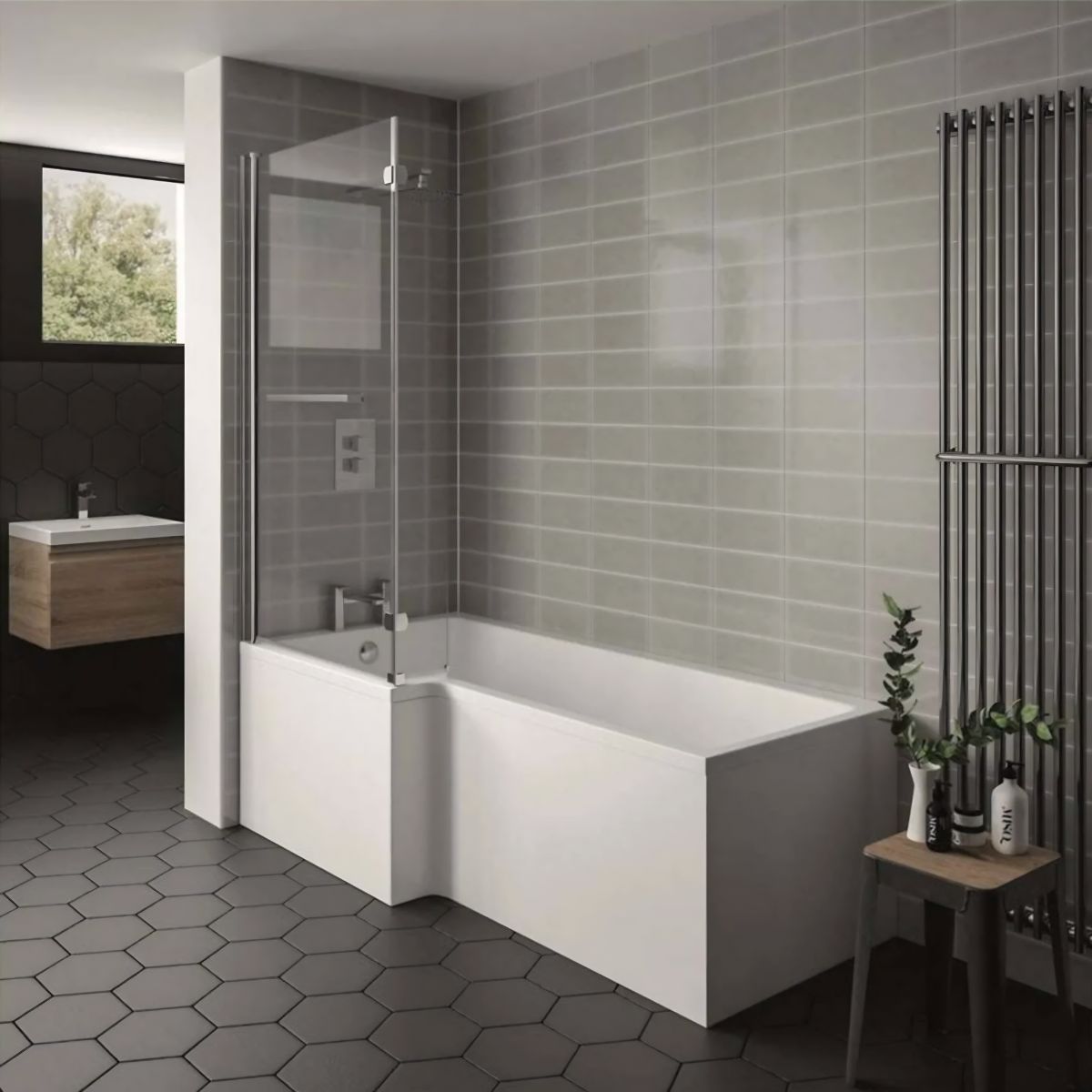
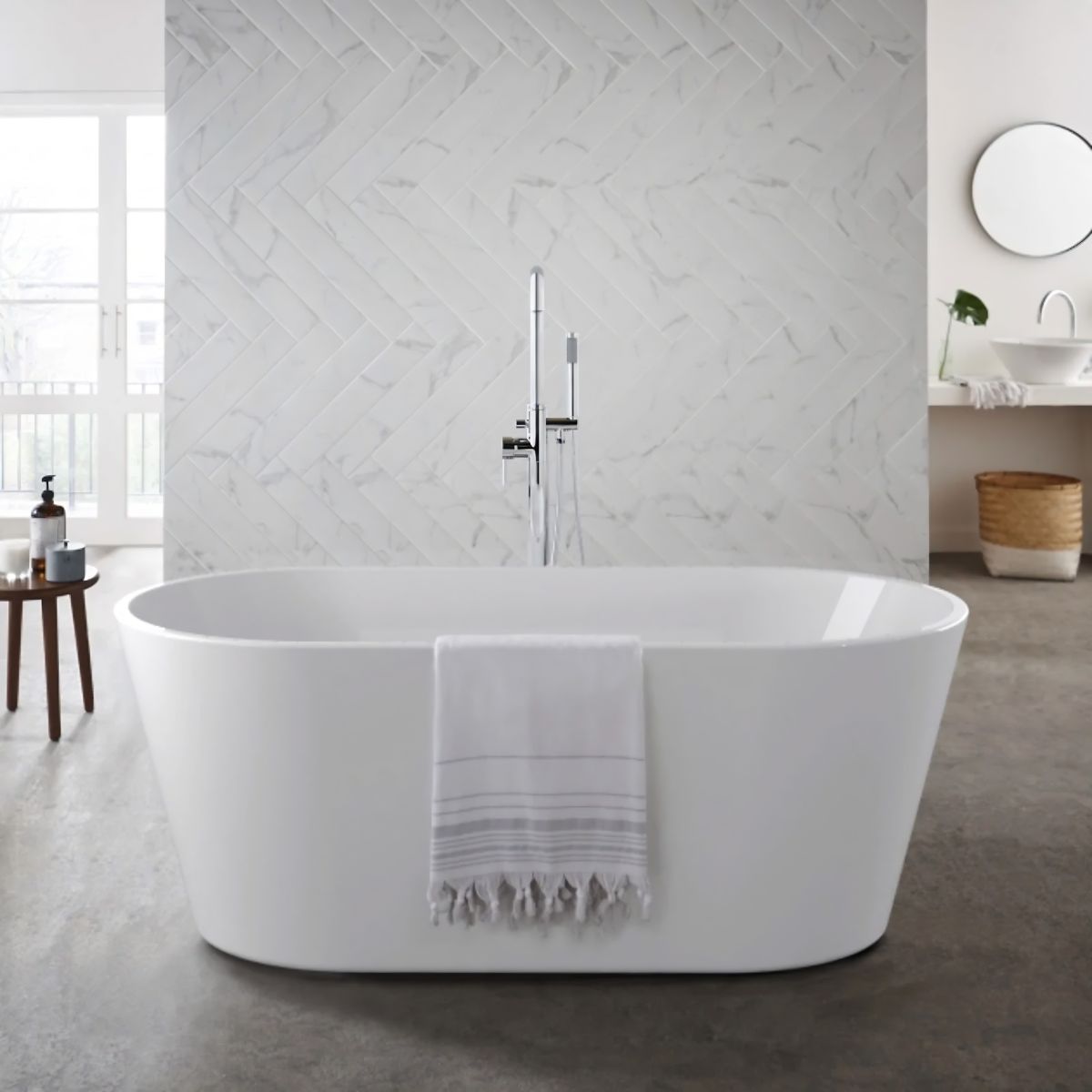
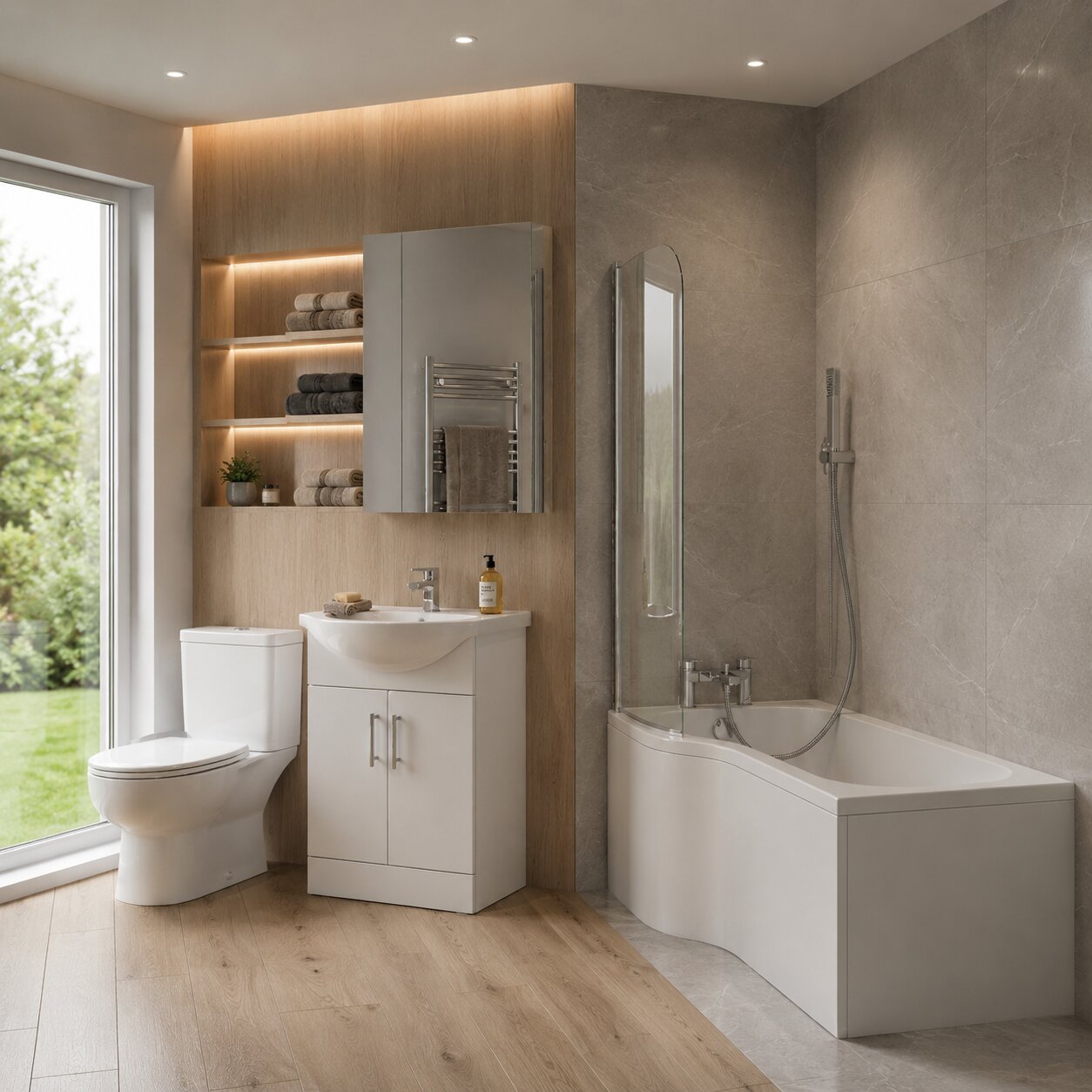
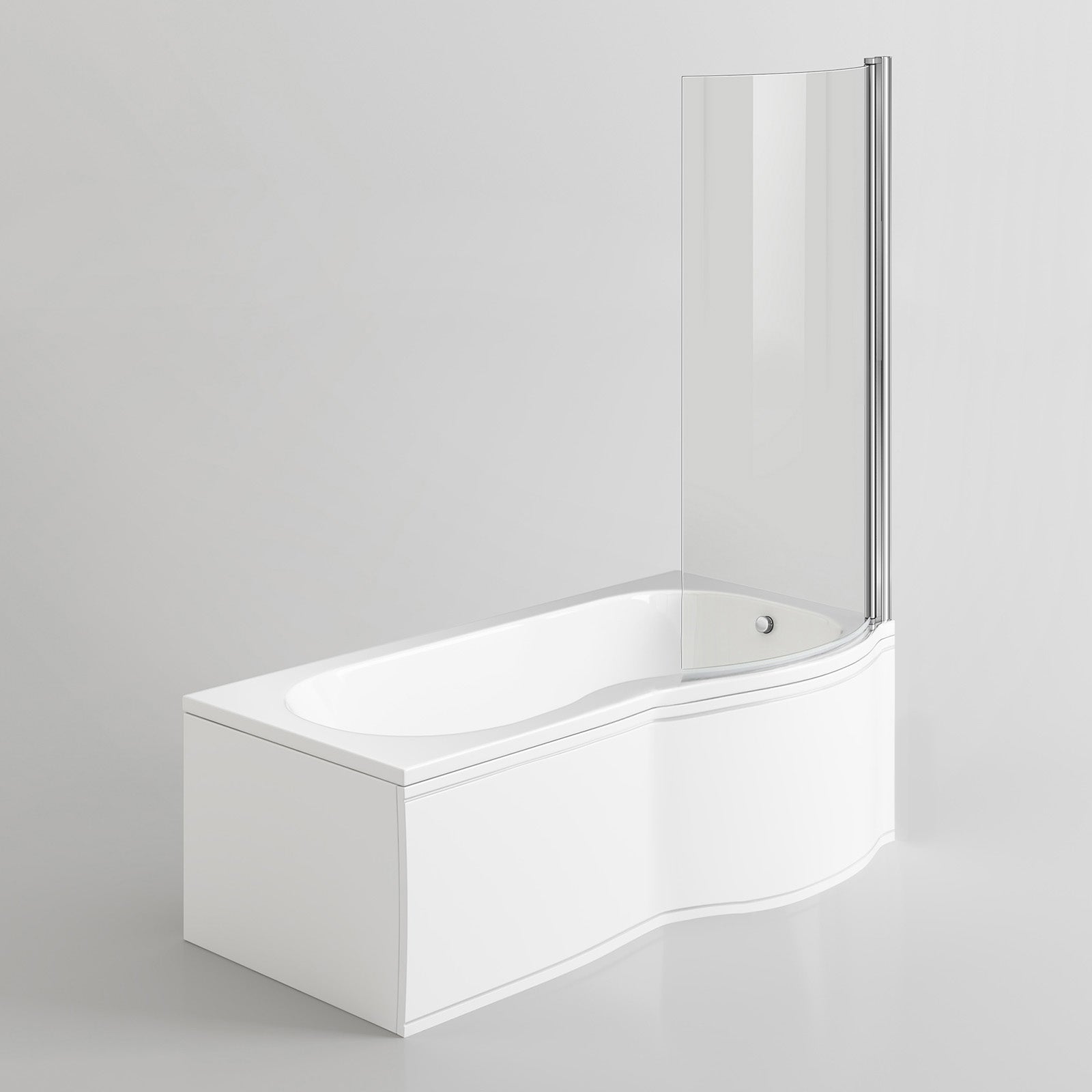
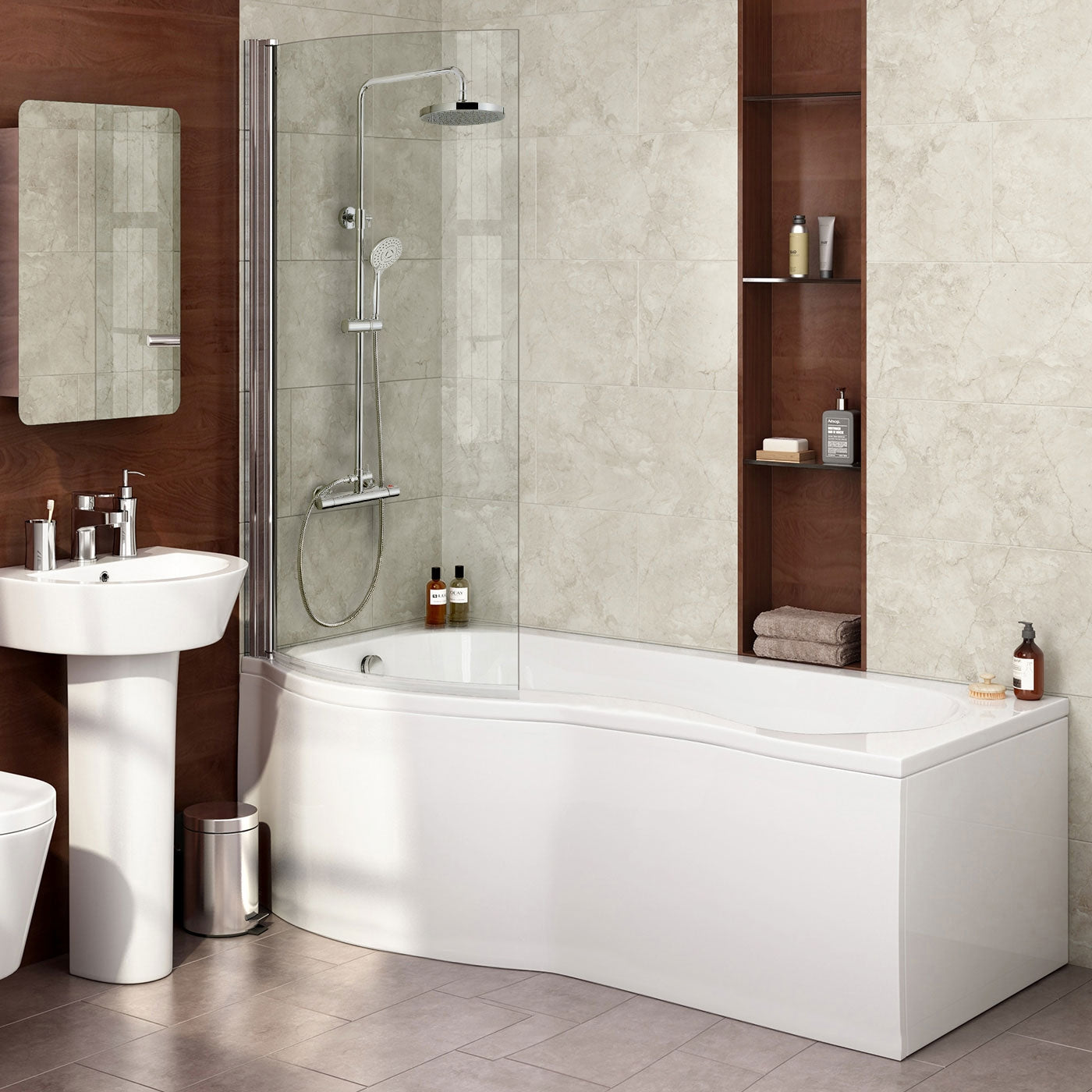
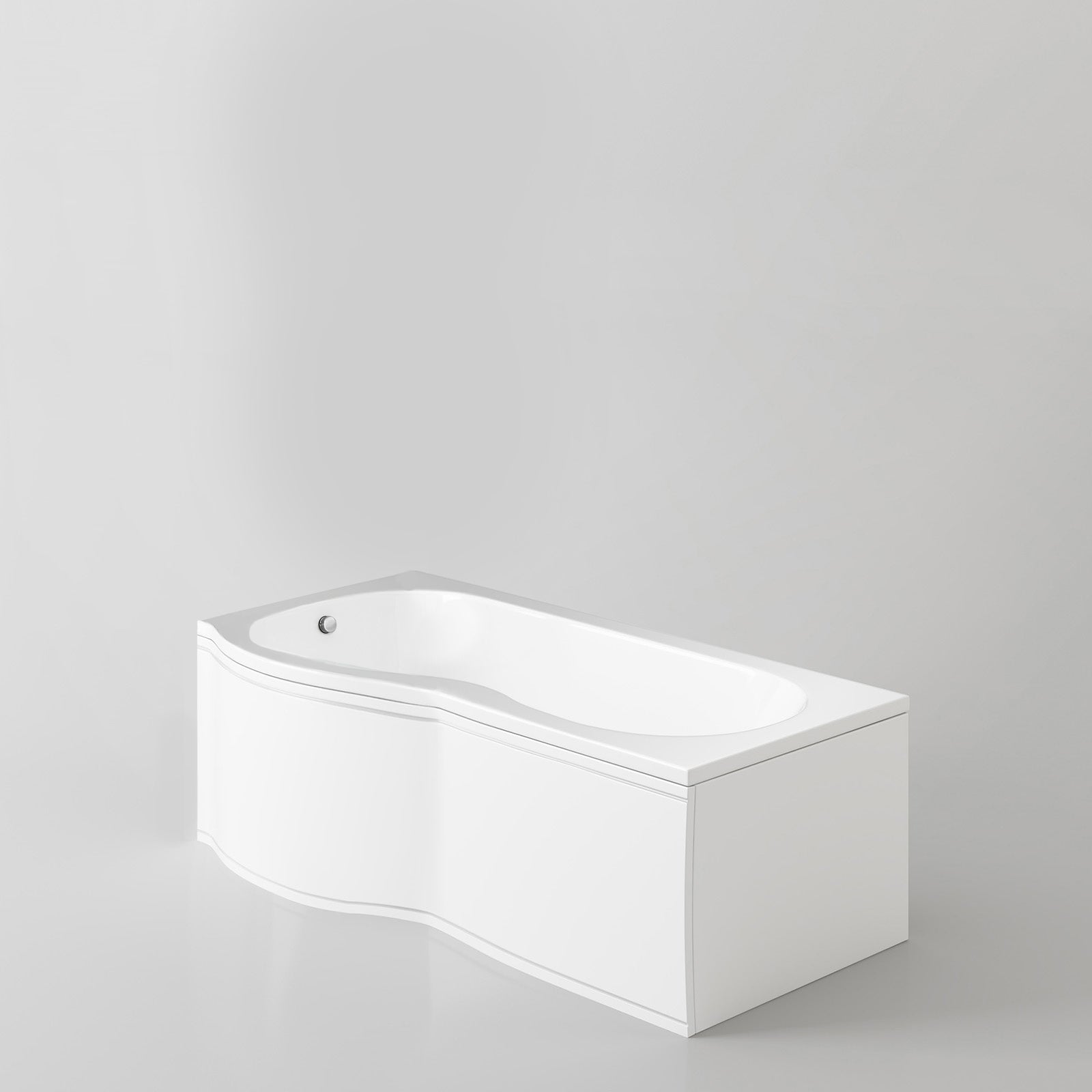
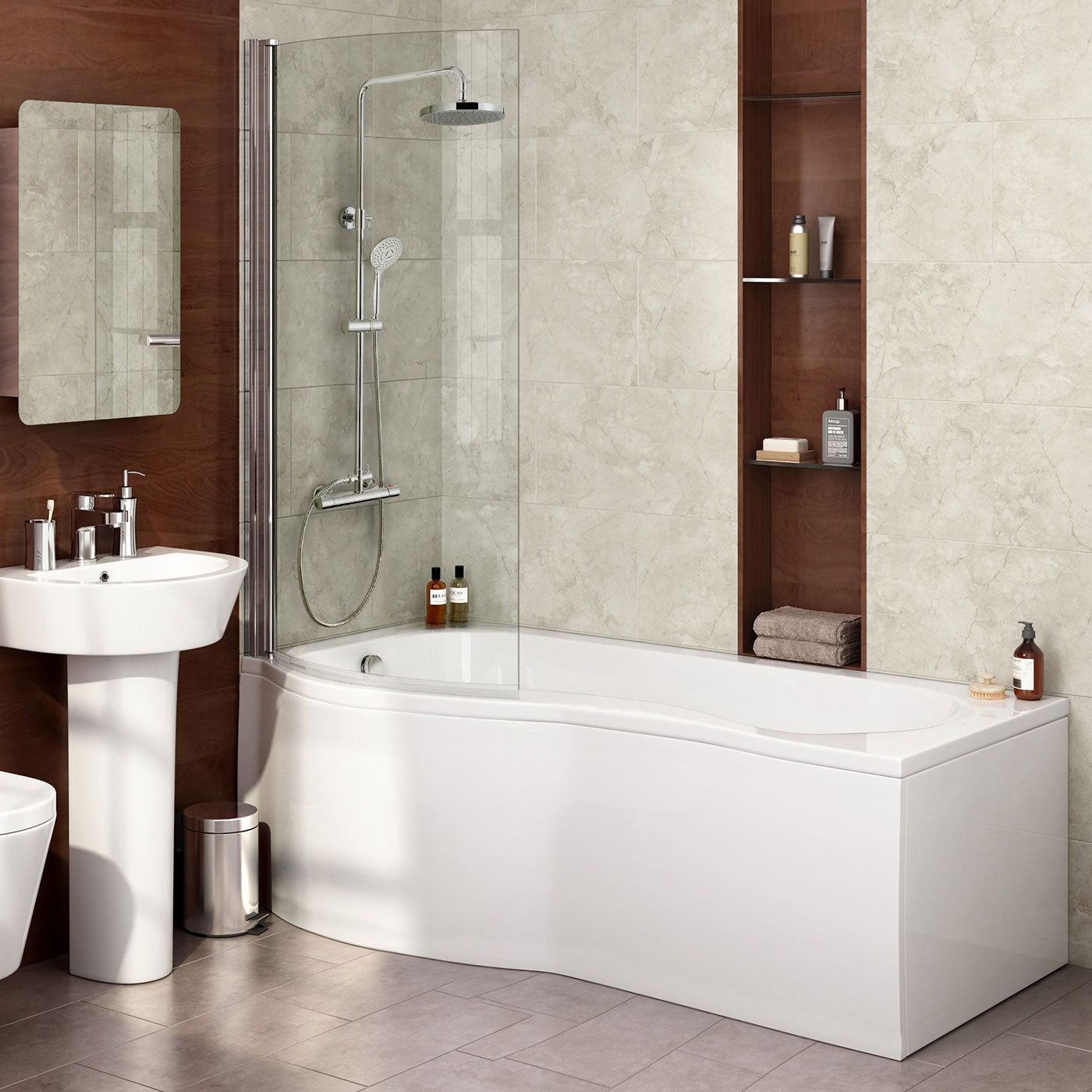
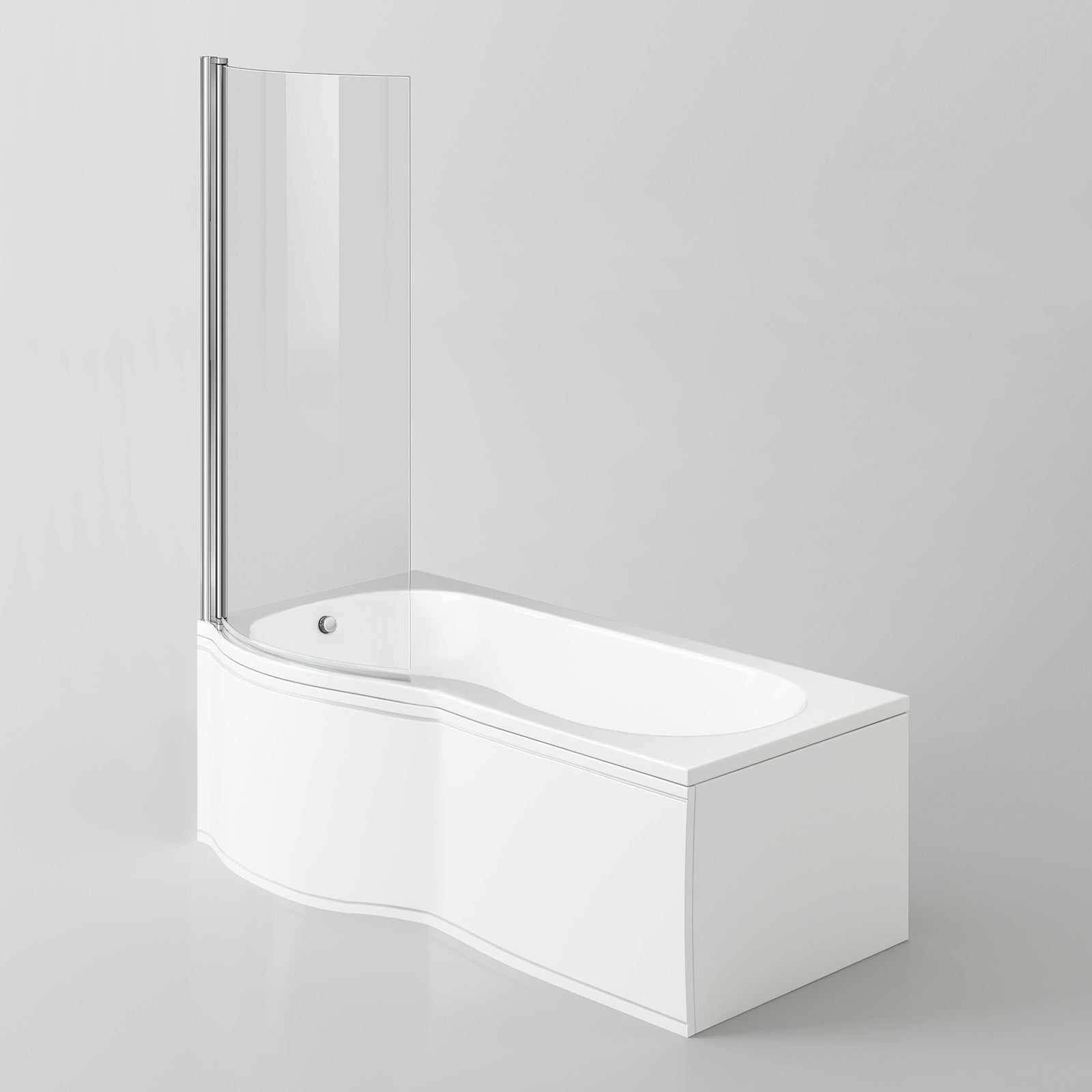
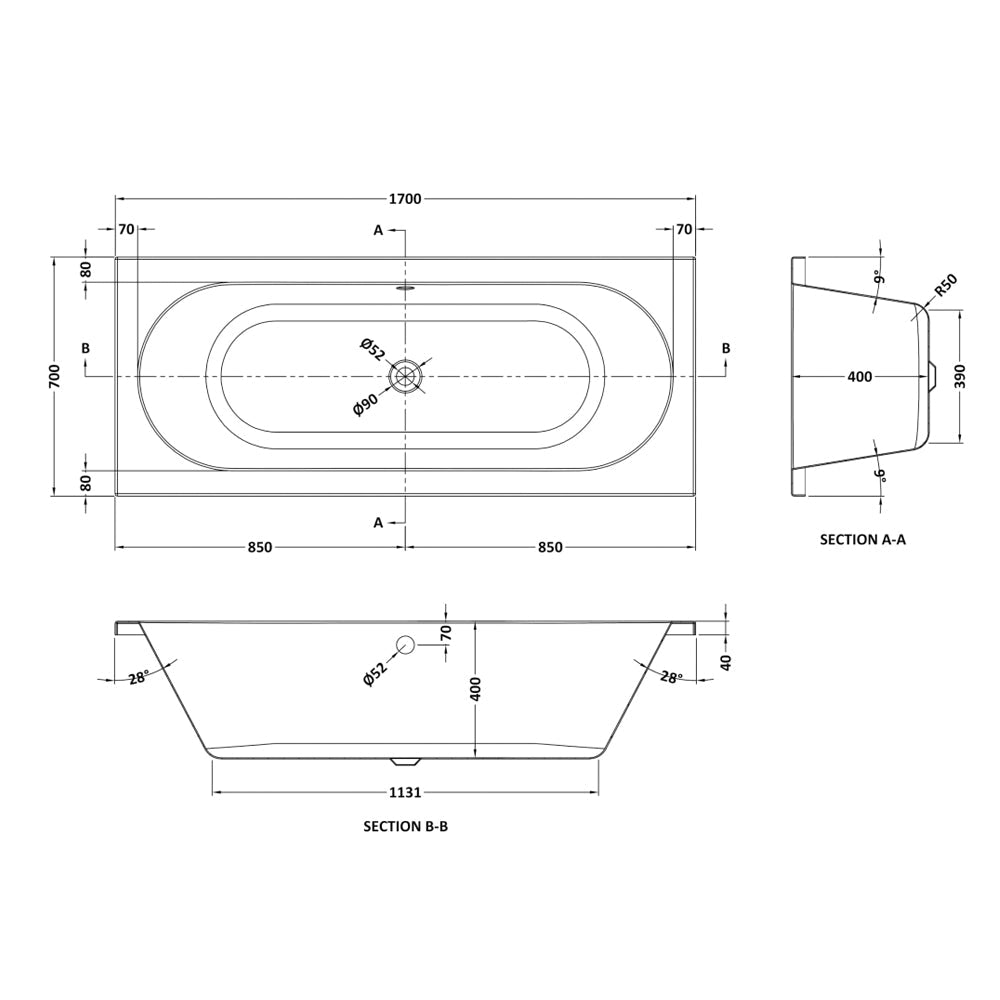
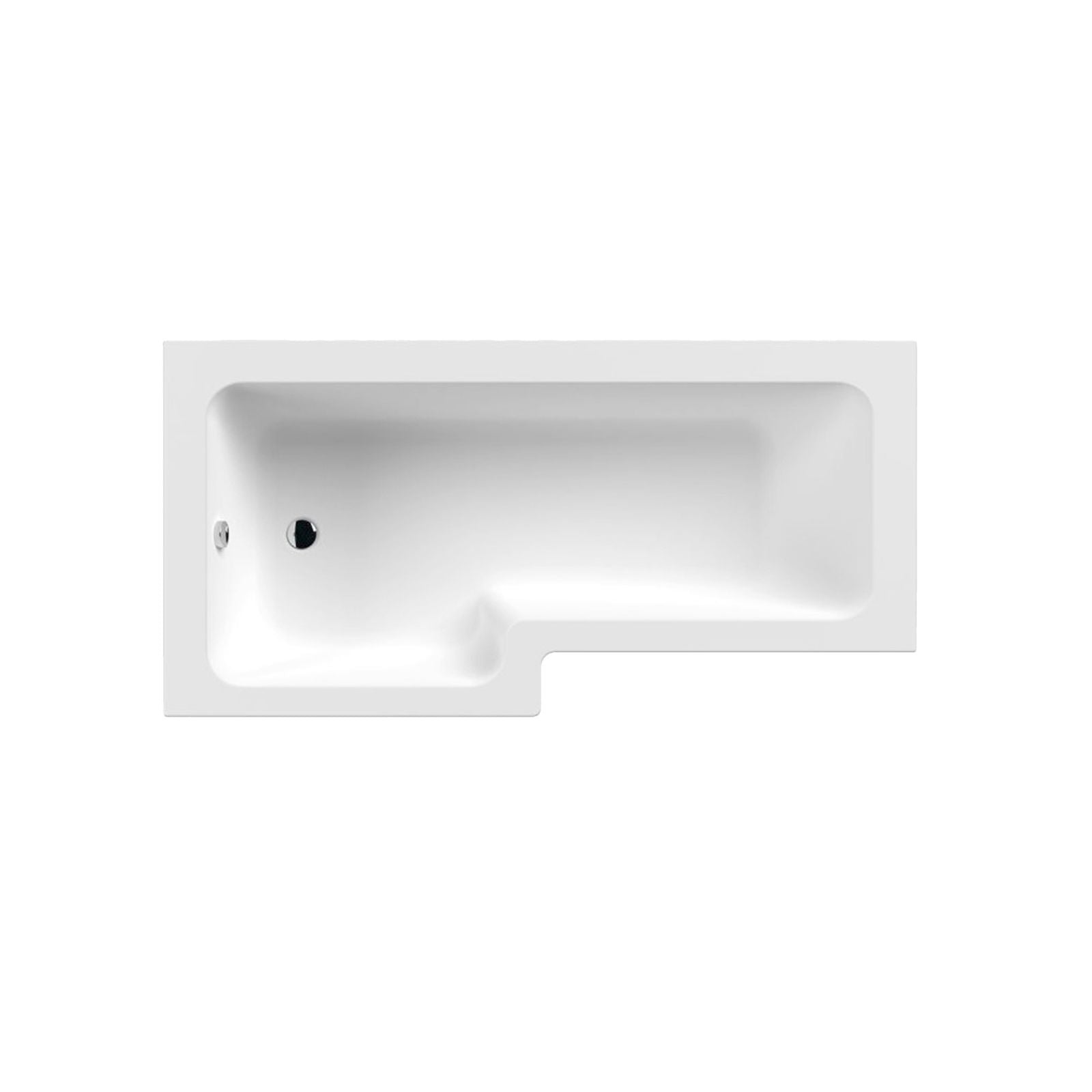
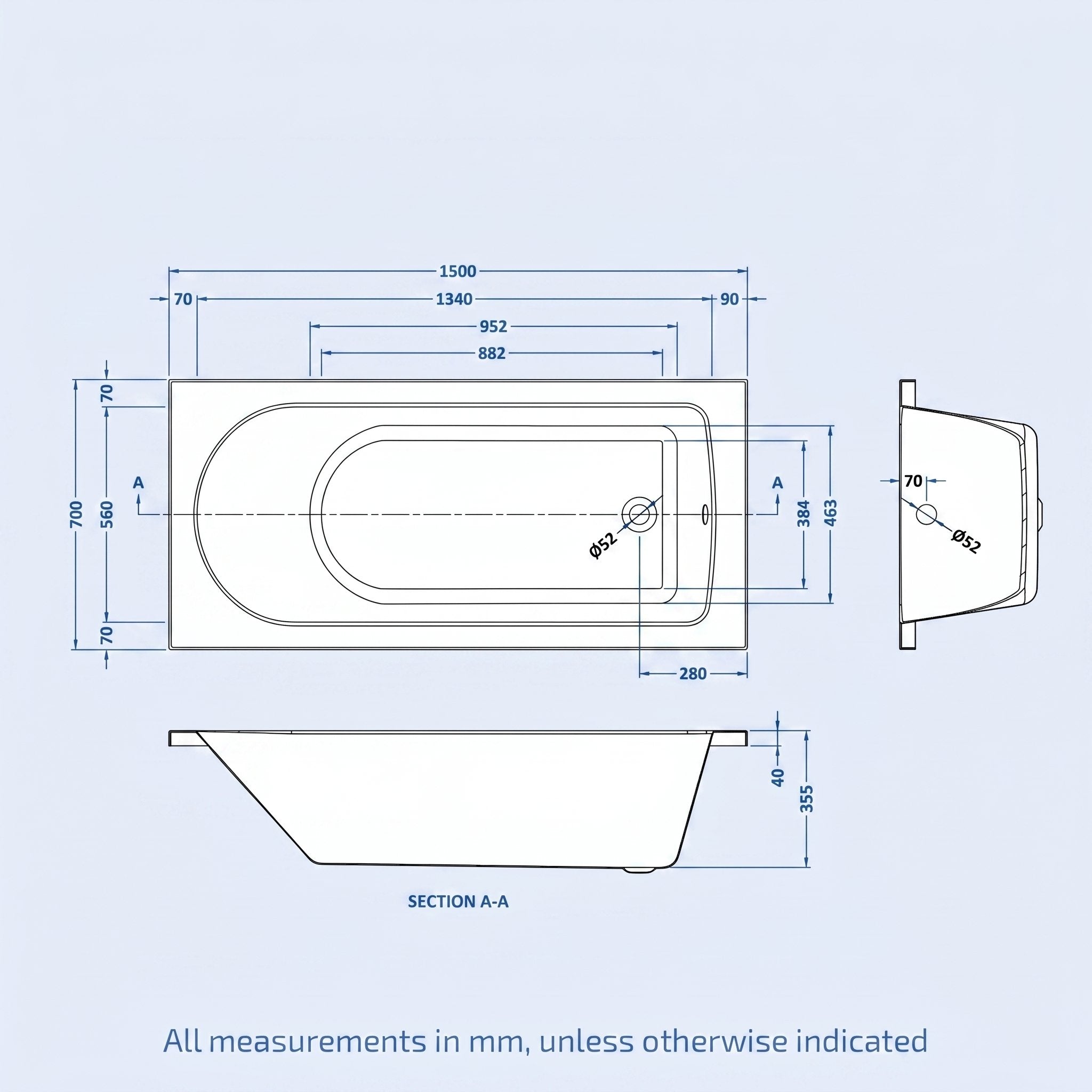
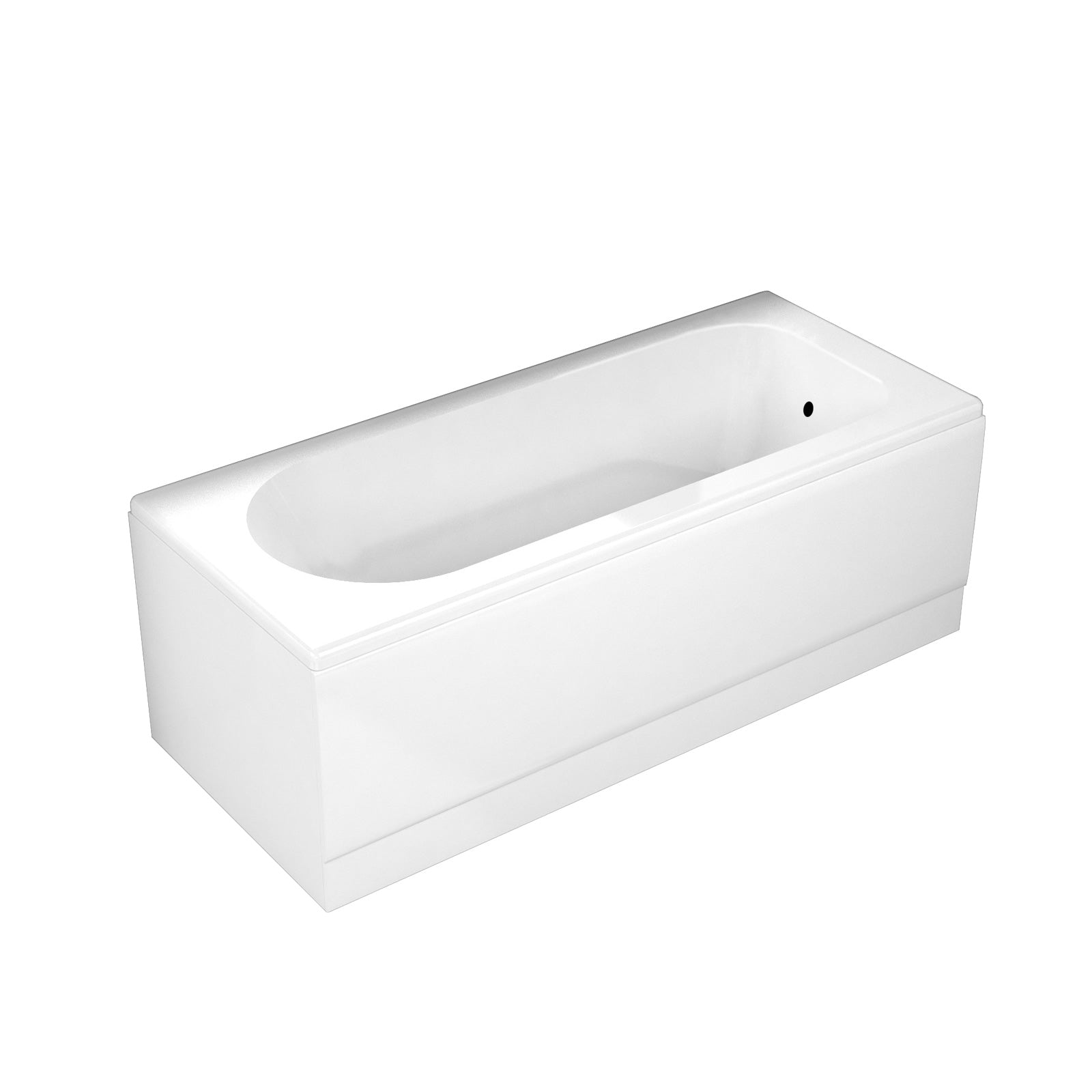
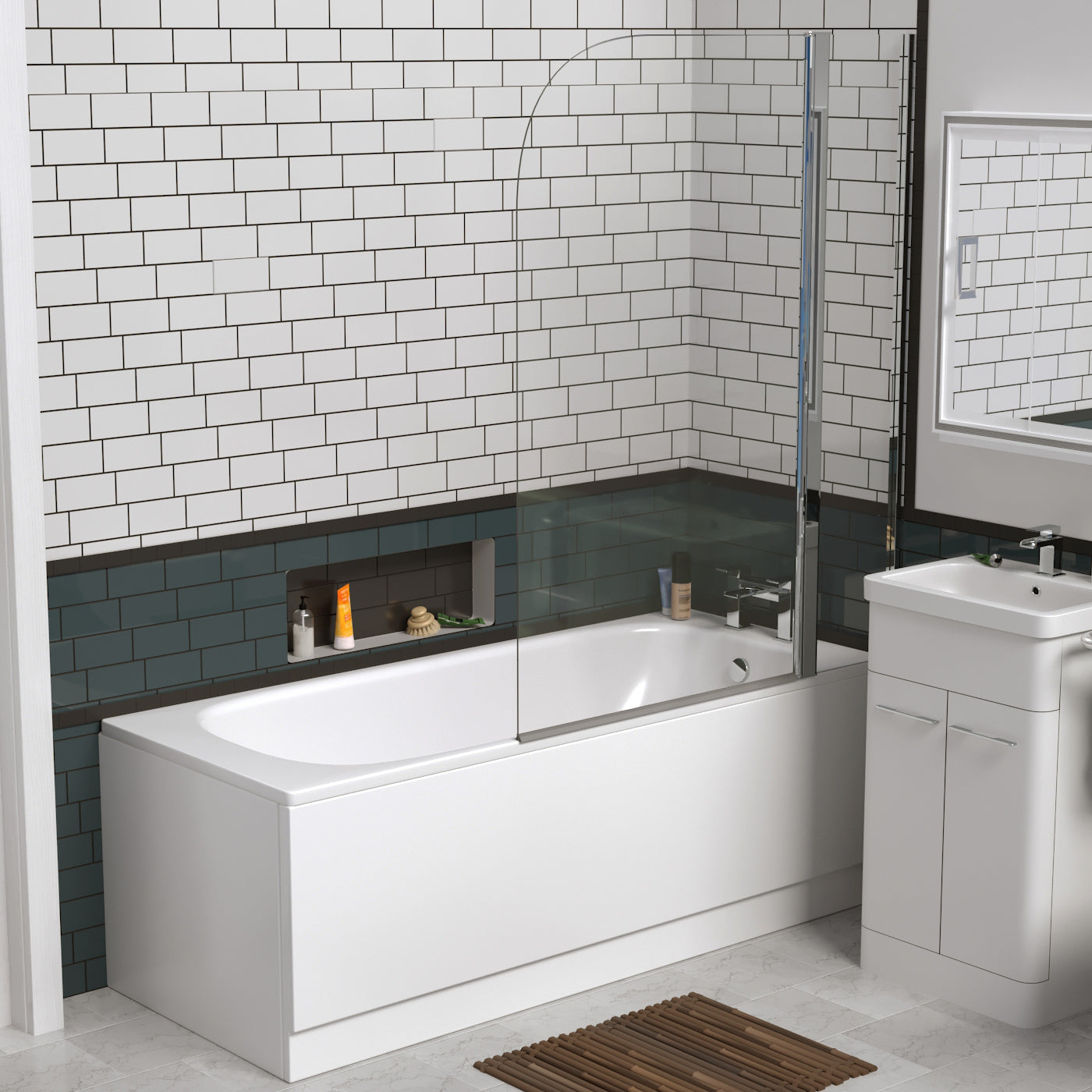
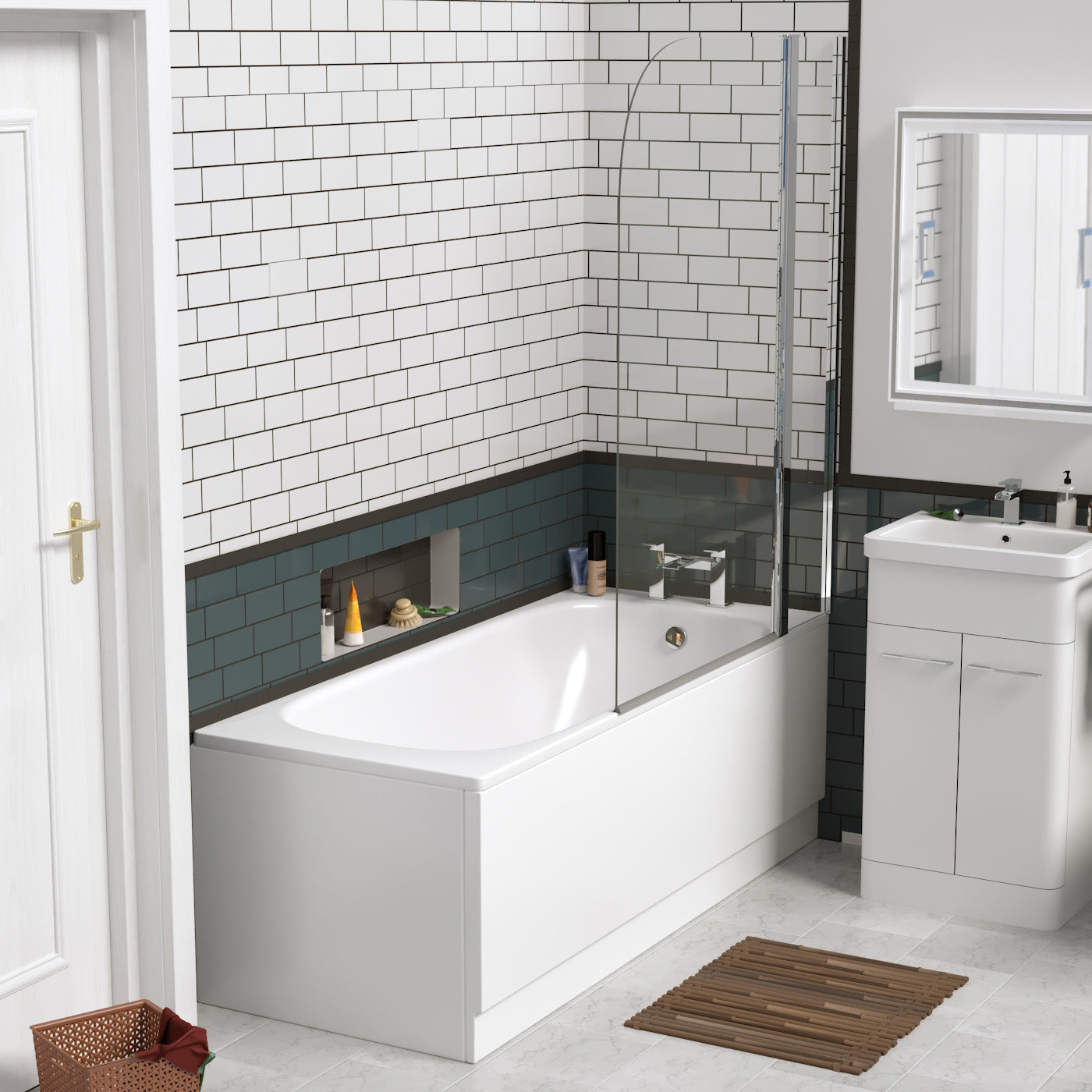
Bathroom Republic stocks 231 baths across standard, steel, shower and P-shaped types, in both acrylic and enamelled steel construction. The three main decisions when choosing a bath are shape (which determines how it fits the room), material (which affects weight, heat retention and longevity) and size (UK bathrooms are typically suited to lengths between 1500mm and 1700mm). Standard single-ended baths fit most alcove and three-wall spaces; shower baths add a wider showering end for use with a screen; P-shaped baths are asymmetric versions of shower baths; steel baths are heavier and retain heat longer than acrylic equivalents.
Browse by Bath Type
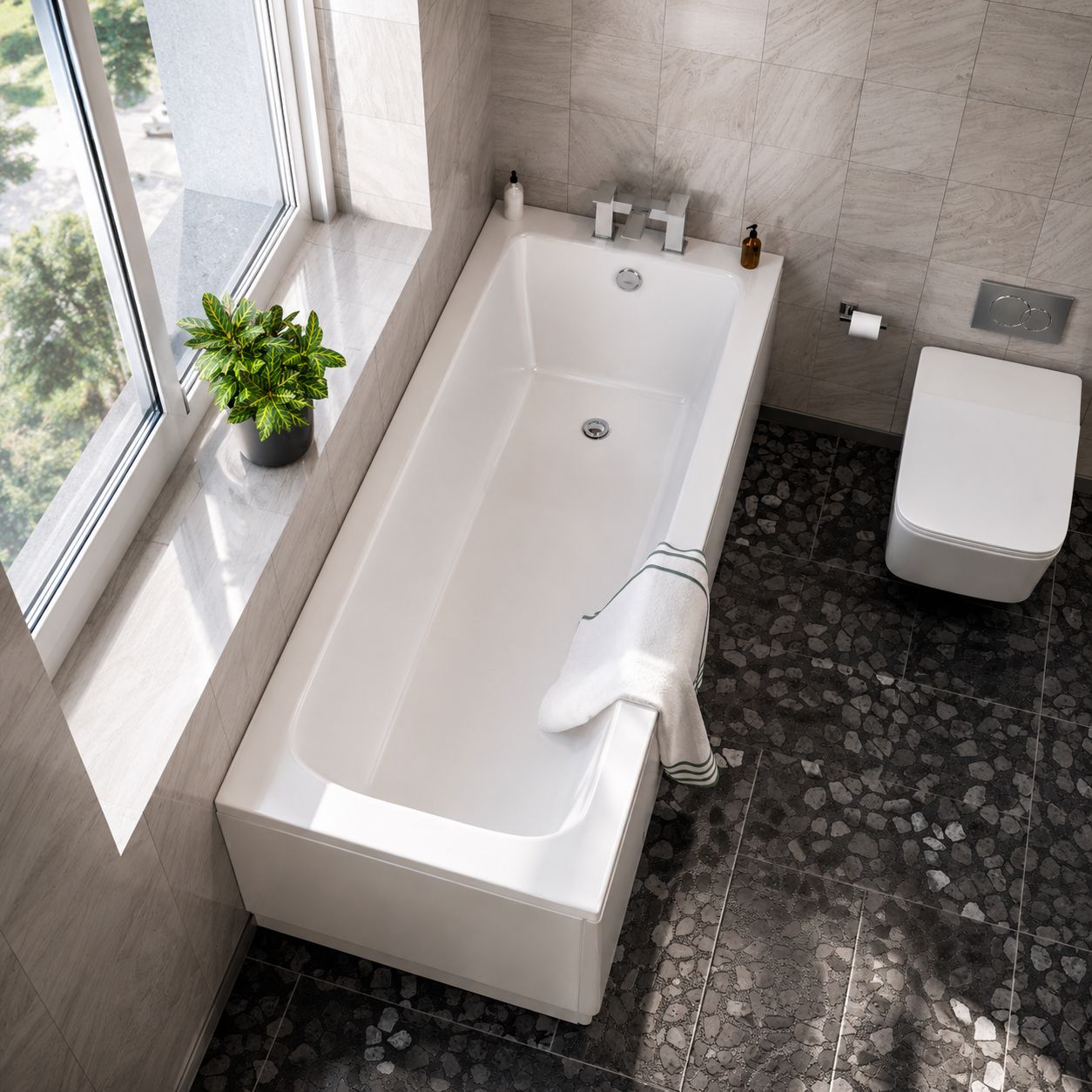
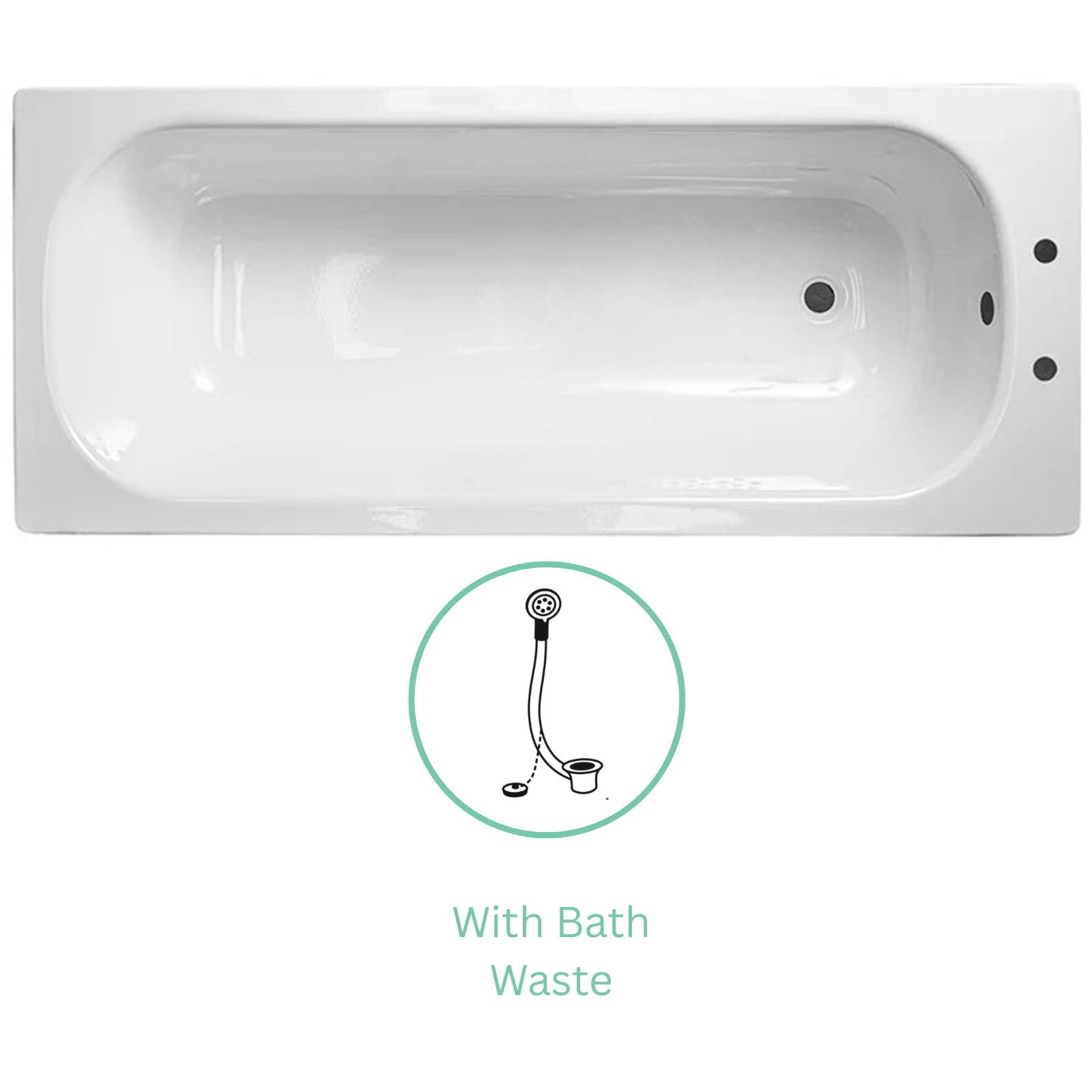
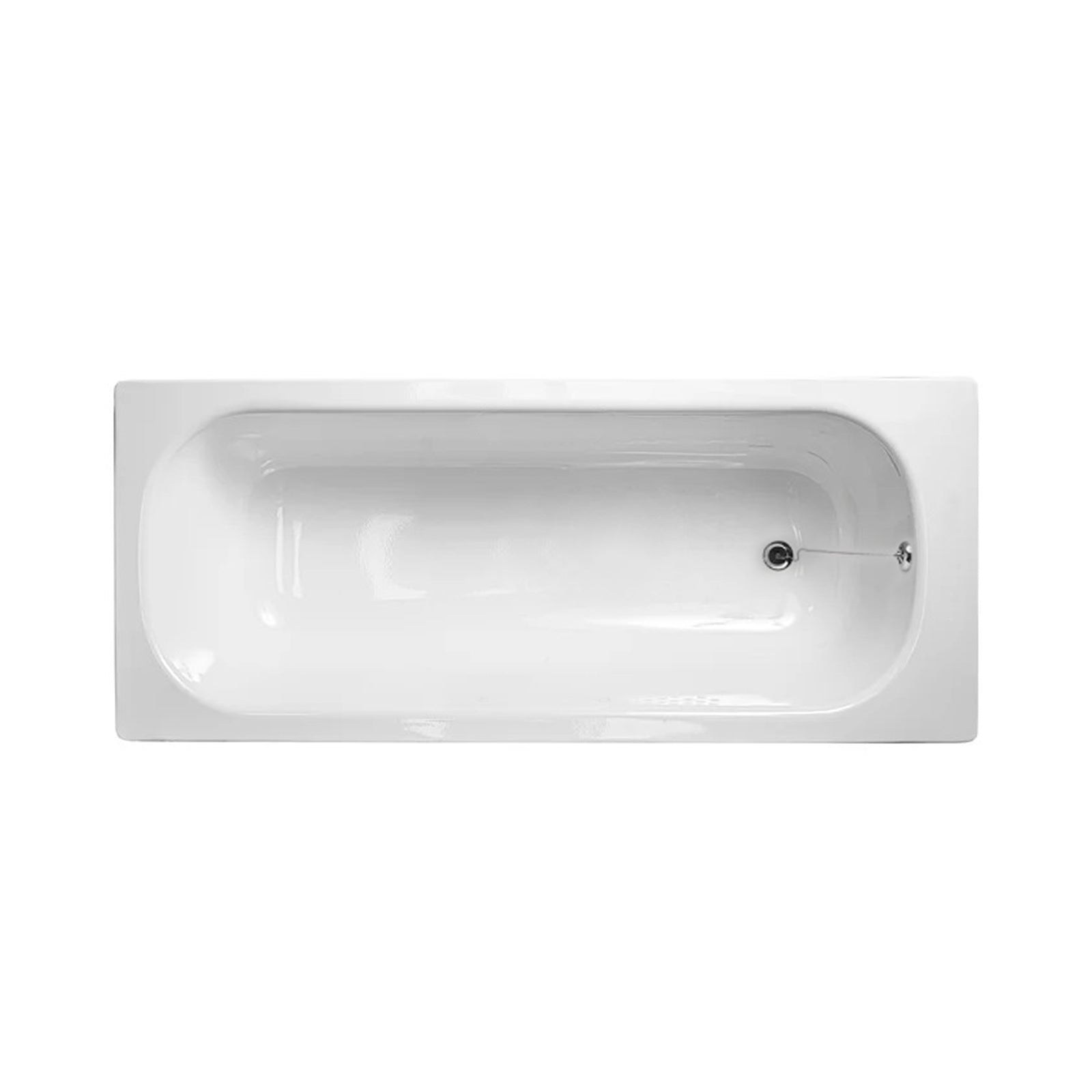
- Standard Baths — single-ended rectangular baths for alcove and three-wall installations.
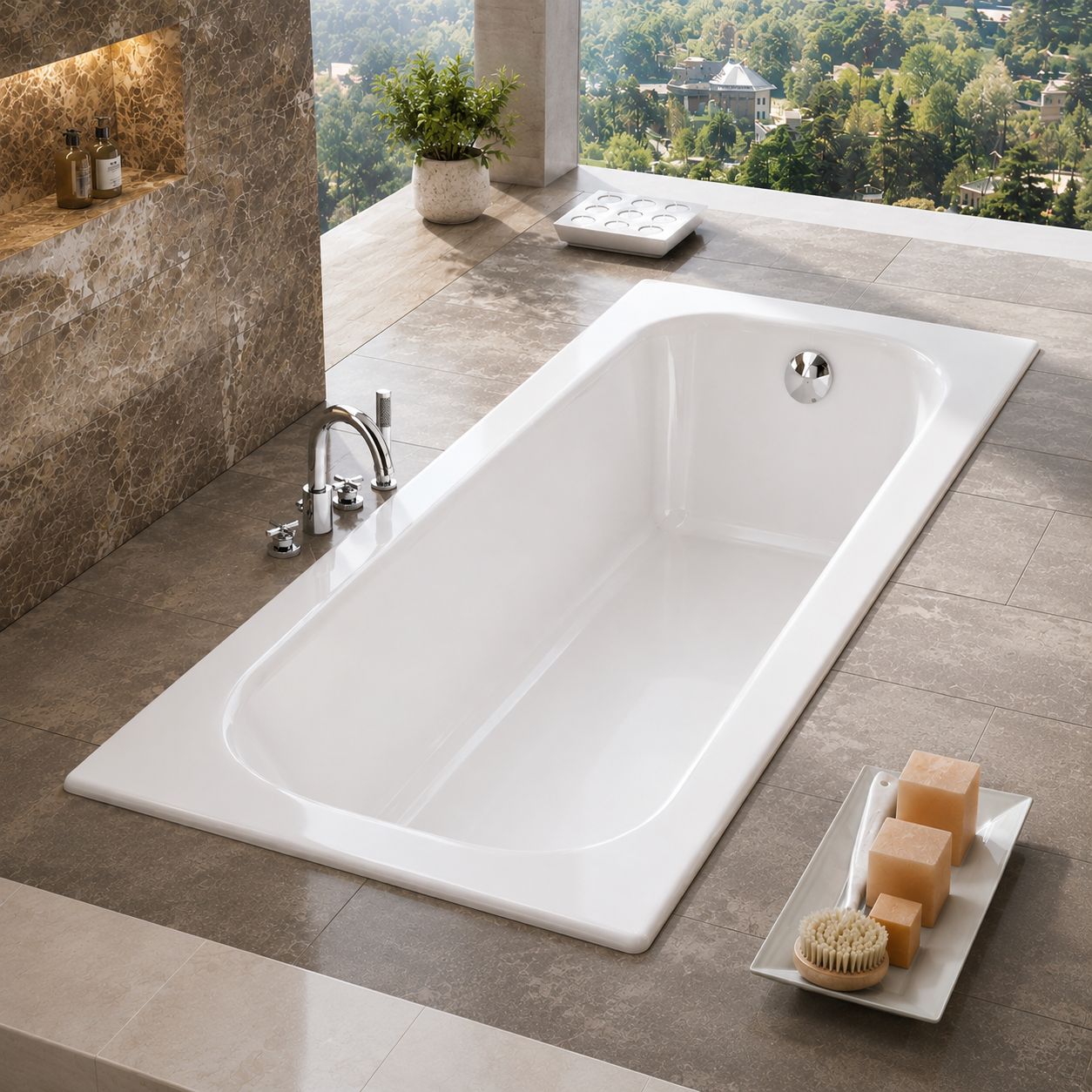
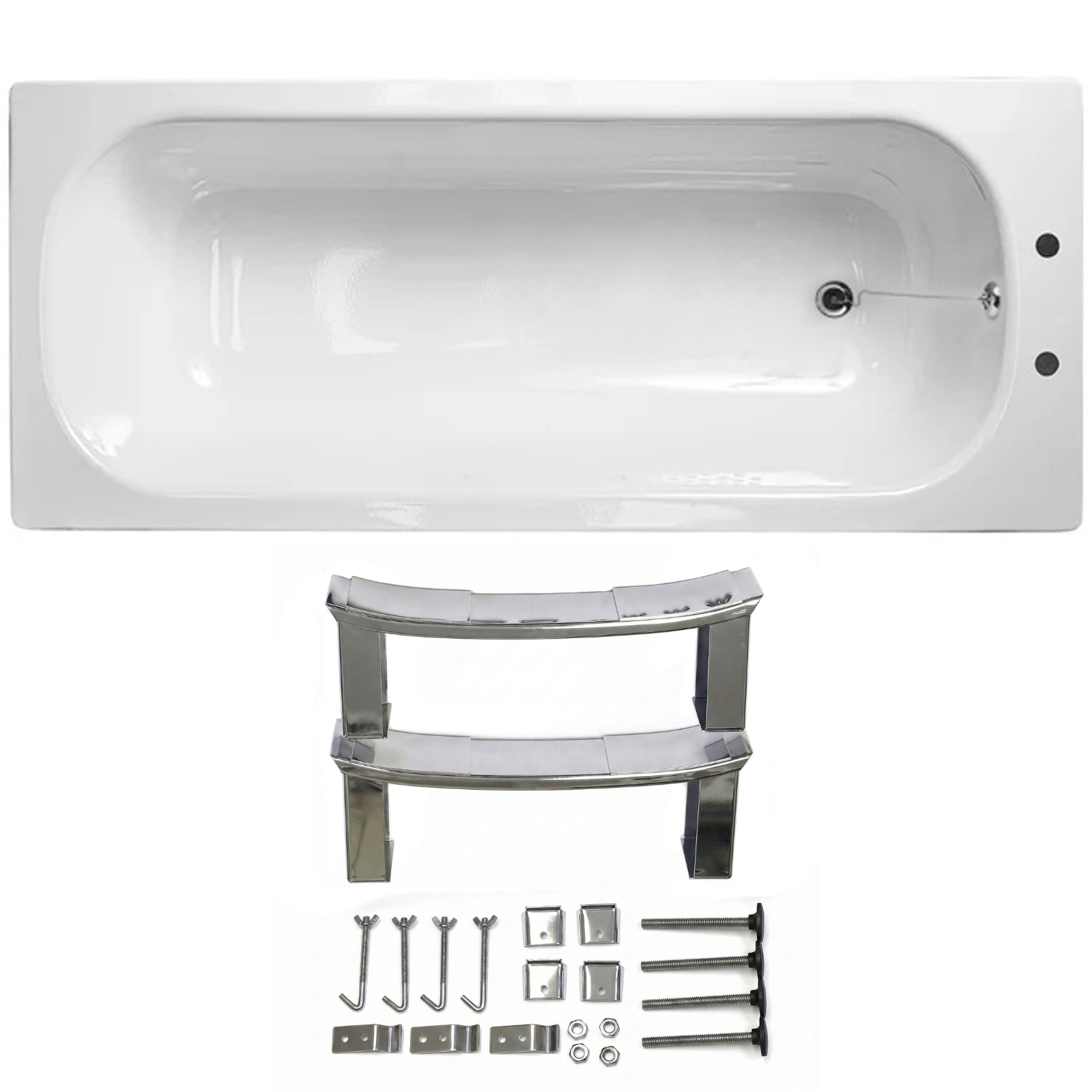
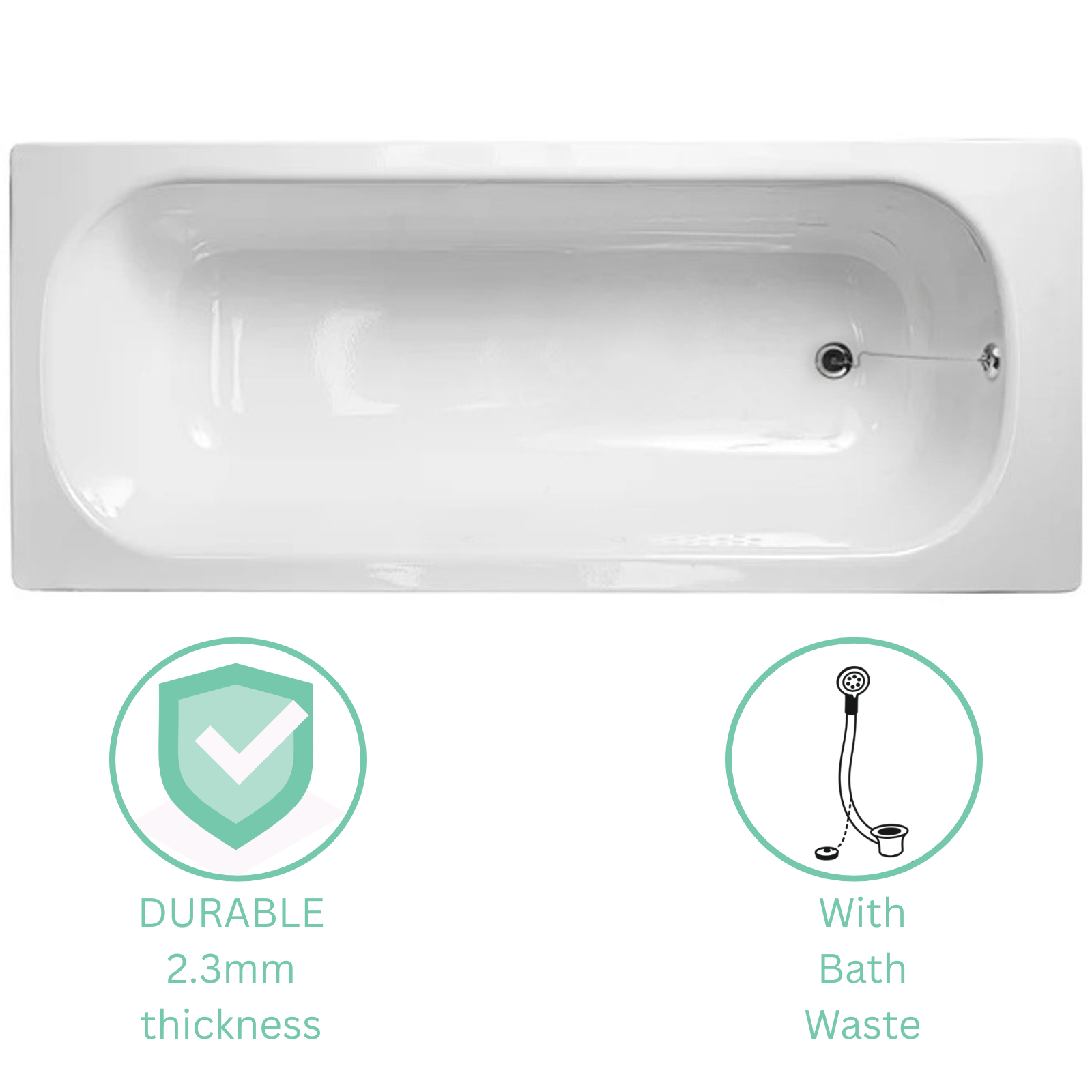
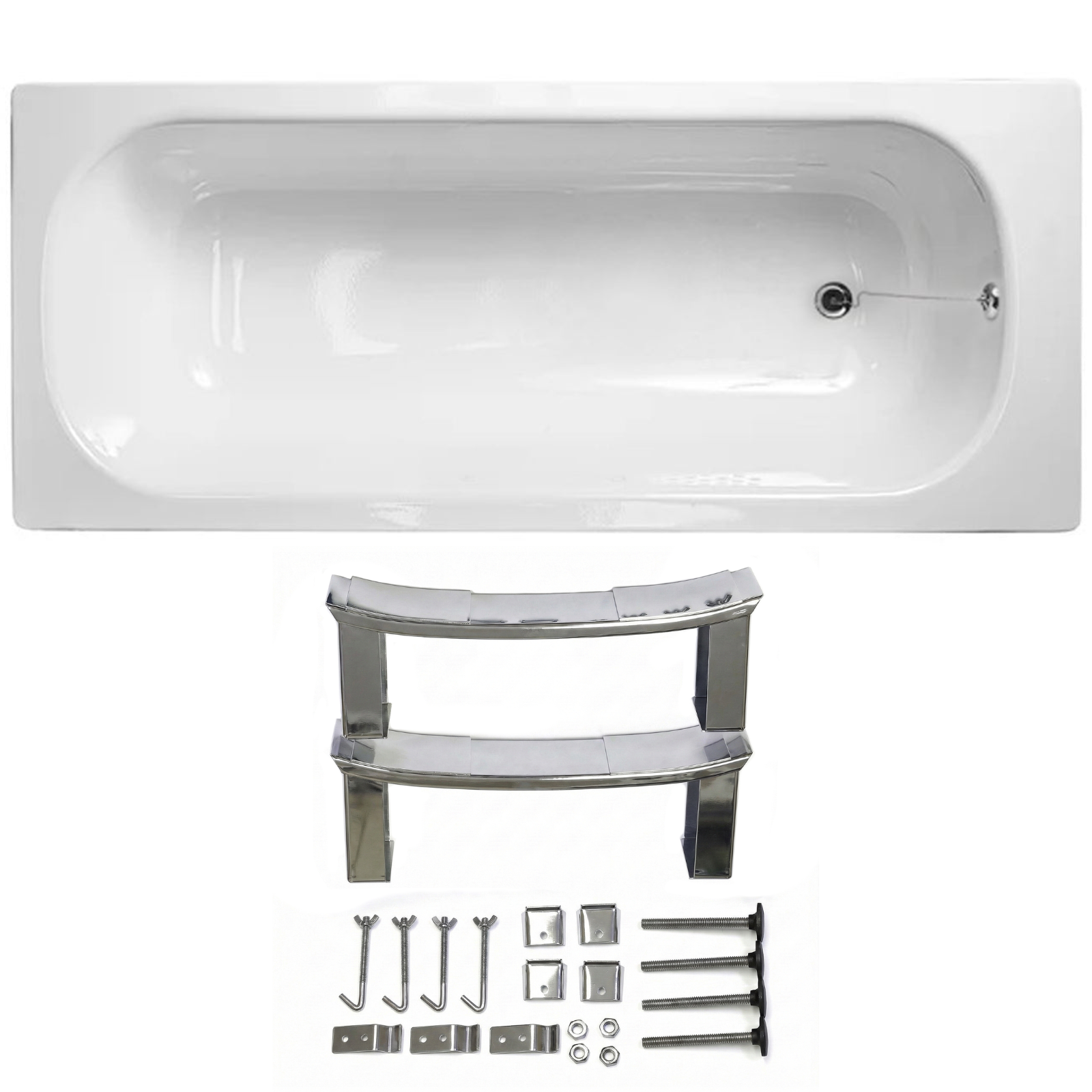
- Steel Baths — enamelled steel baths with greater heat retention than acrylic.
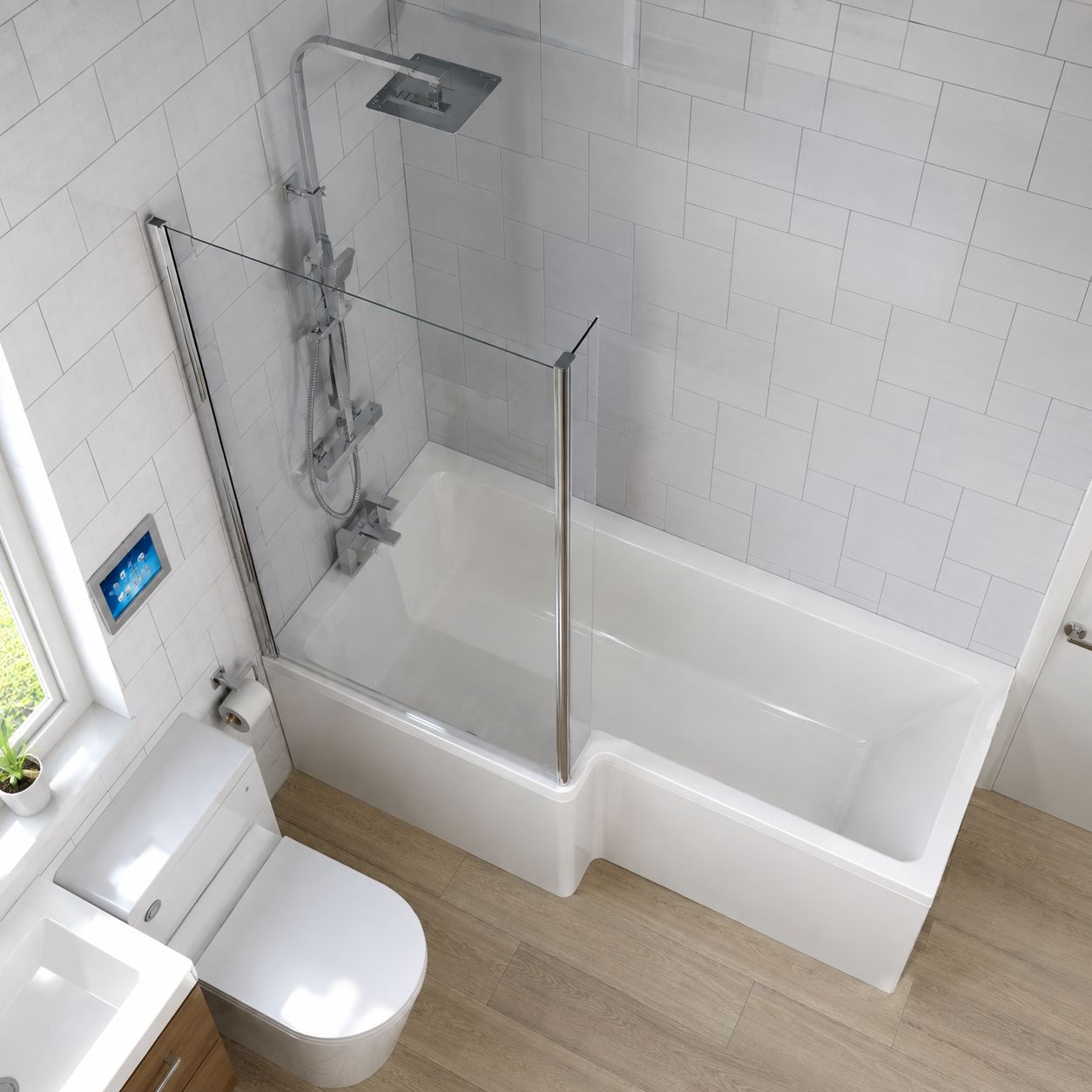
- Shower Baths — baths with a wider end designed for showering with a screen.
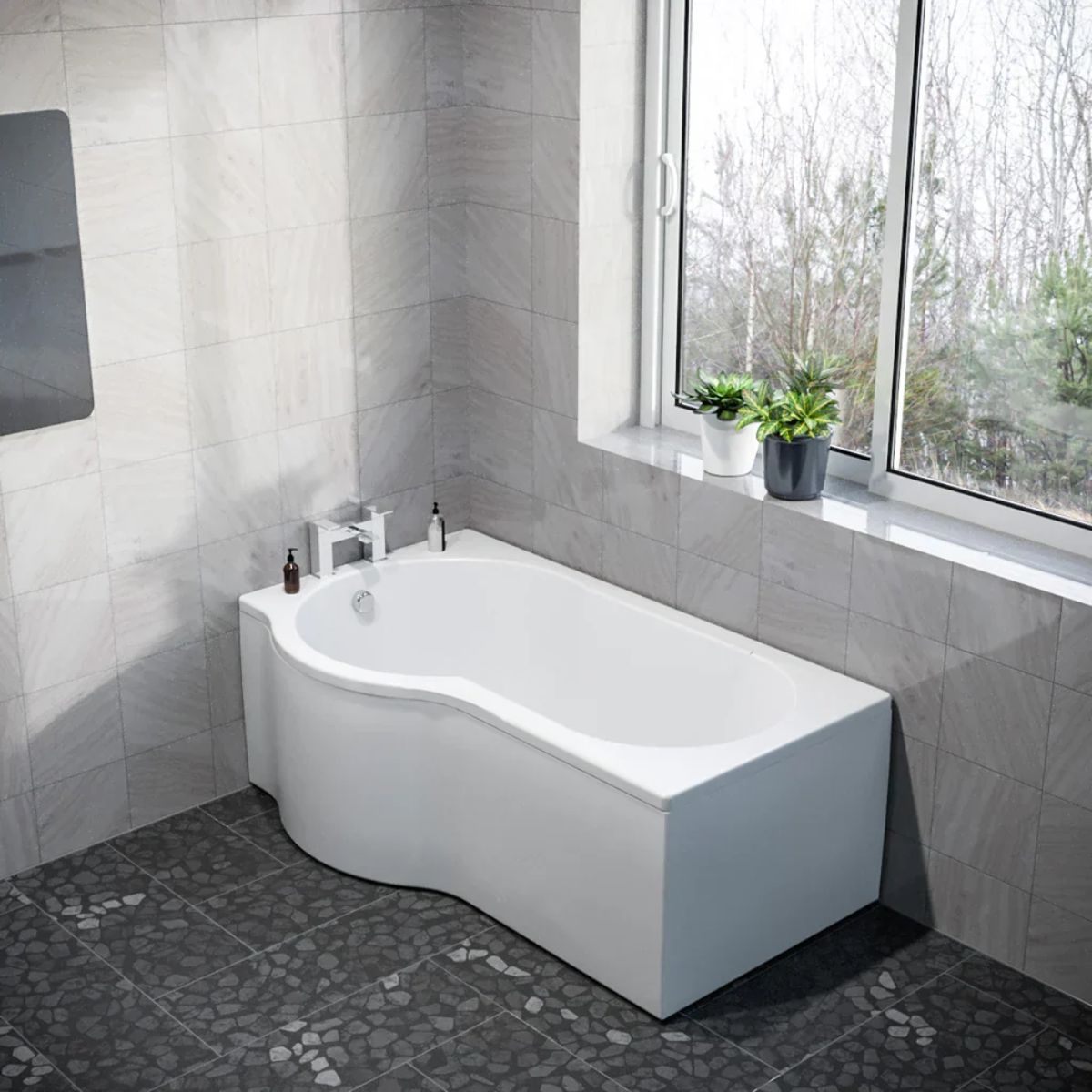
- P-Shaped Baths — asymmetric shower baths with a rounded wider showering end.
- Baths Clearance — reduced-price bath lines.
- Baths Sales — discounted baths from across the range.
Acrylic vs Steel — Which Bath Material Should You Choose?
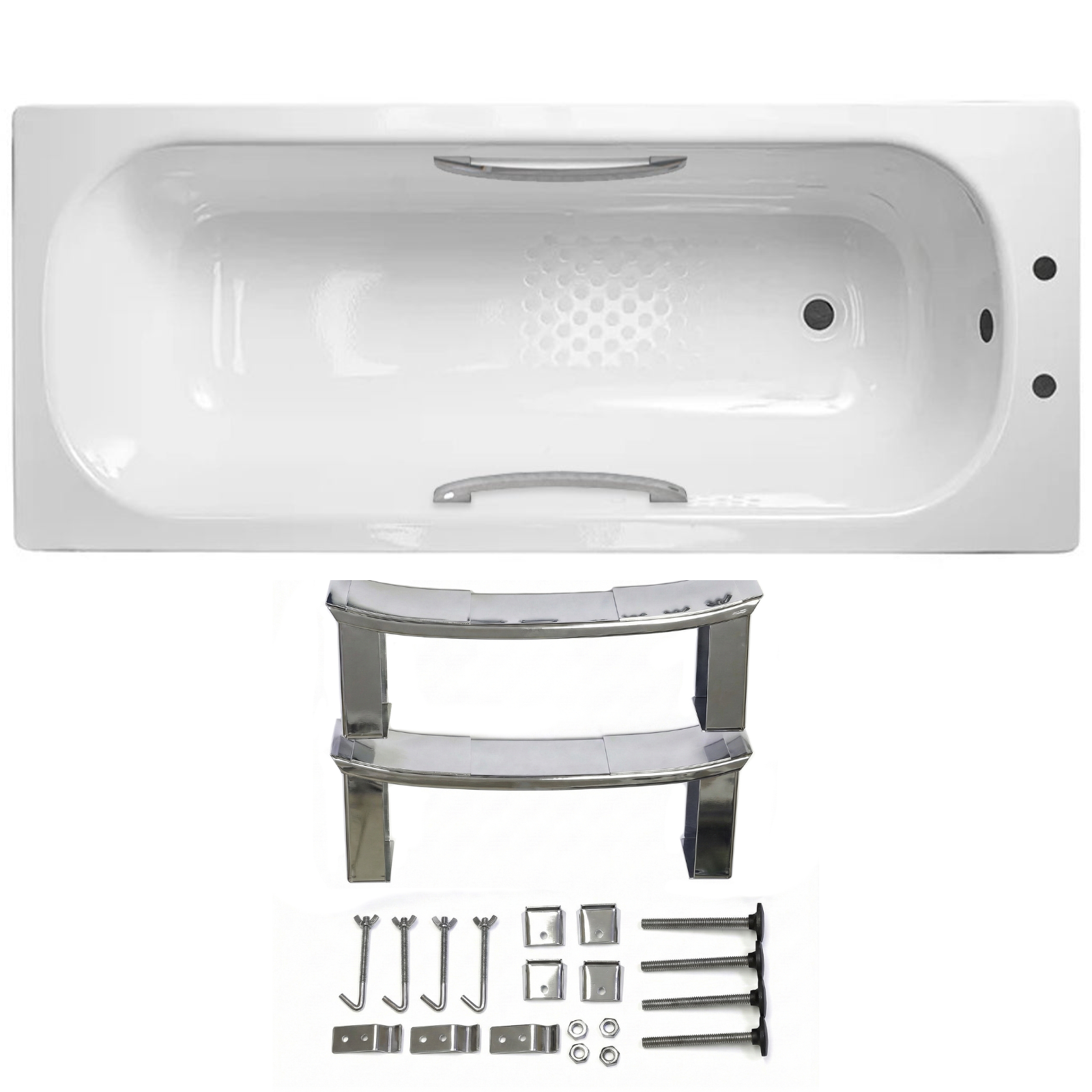
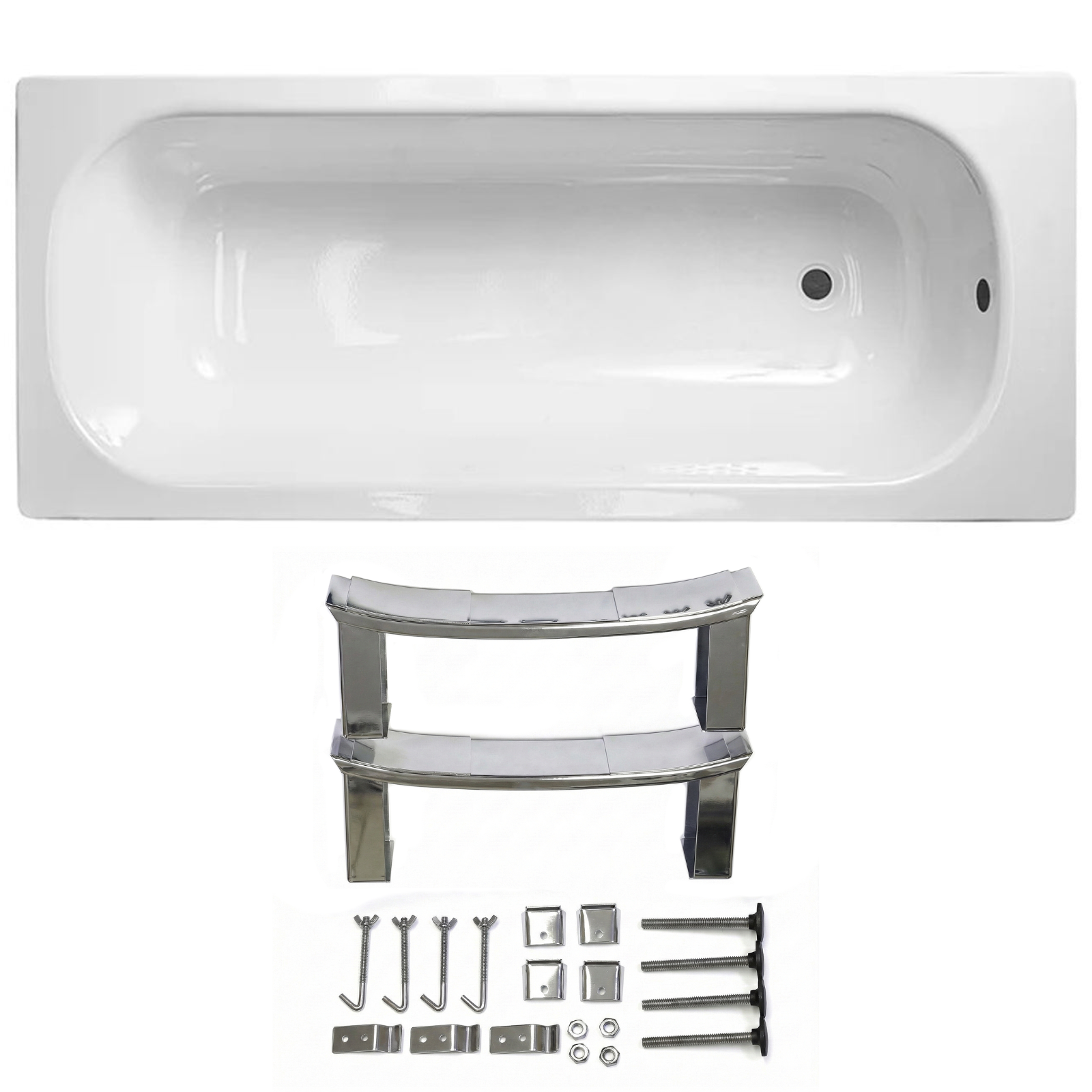
Acrylic baths are the most common choice in UK bathrooms. They are lightweight (typically 15–25kg), warm to the touch when empty, and available in a wider range of shapes and sizes. Acrylic is easier to install and can be repaired if scratched, but is less resistant to heavy impact than steel. Enamelled steel baths are significantly heavier (typically 40–60kg), which means they require additional support and are harder to install — but the surface is harder, more scratch-resistant and retains heat longer once filled. If weight is a concern during installation or the floor structure is standard timber joist construction, acrylic is the practical choice; if longevity and heat retention take priority and the floor can take the weight, steel is worth the additional installation effort.



Recently viewed
- Opens in a new window.
Search any image
Drag an image here or upload a file
You can also press Ctrl + V to paste an imageAdjust Image Search Area
Tap the button to search