

Reviewed by Bathroom Republic's Team
Quick answer: A rimless toilet is a toilet bowl without the traditional enclosed rim around its upper inner edge. Flushing water is directed around the exposed bowl surface instead. This reduces concealed areas beneath the rim and makes more of the bowl accessible when cleaning.
What Is a Rimless Toilet? How It Works, Pros & What to Consider
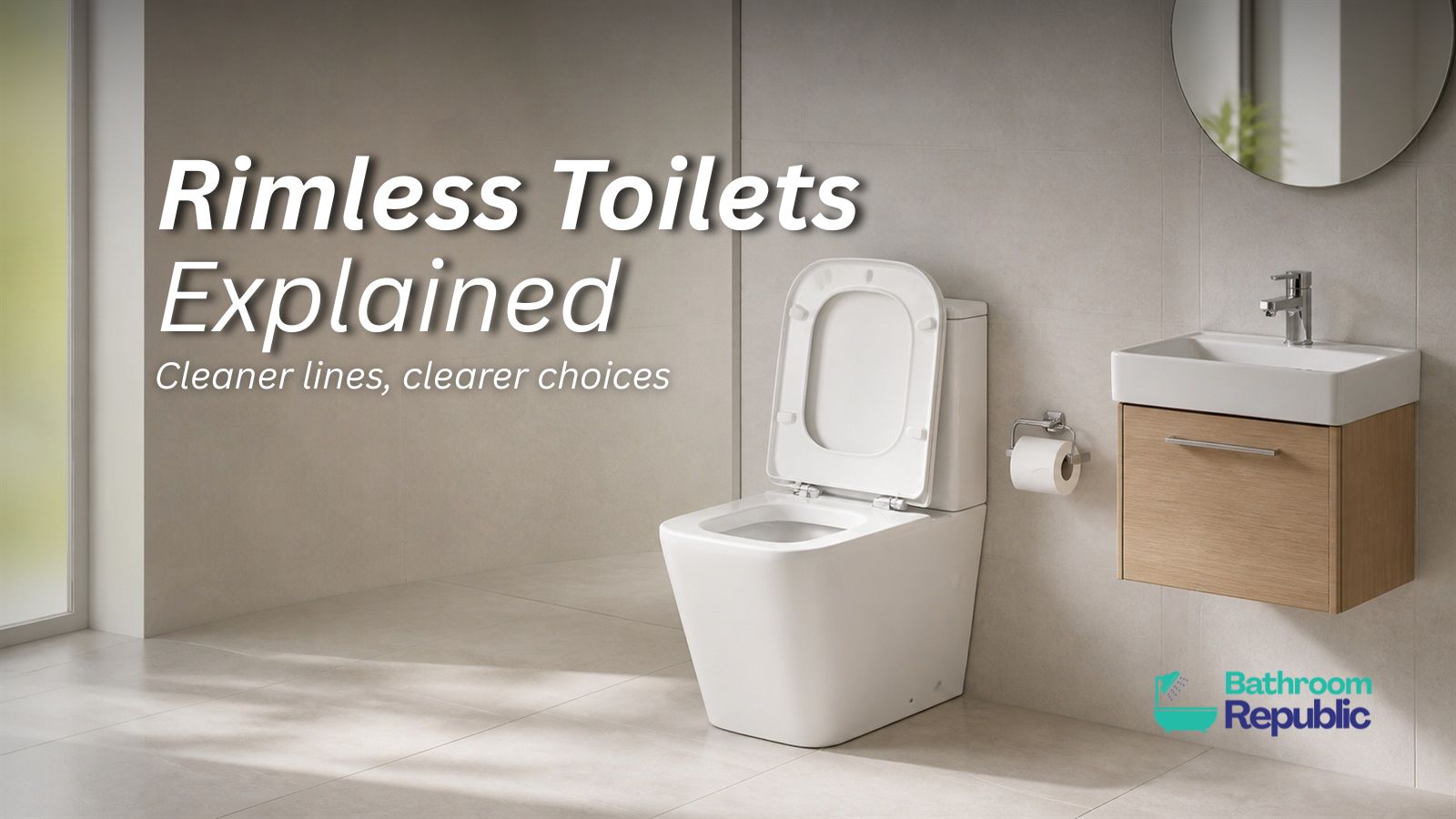
A rimless toilet is a WC designed without the traditional enclosed rim around the upper inside edge of the toilet bowl. Instead, its flushing system directs water around the exposed bowl surface. Flushing designs vary between models, but removing the enclosed rim reduces hidden areas and can make the bowl easier to reach when cleaning.
Rimless describes the toilet pan, not its size or installation type. You can find rimless designs among many different types of toilets. Bathroom Republic's collection of rimless toilets provides a useful place to compare the available options.

Jump to a section
What Is a Rimless Toilet?
A rimless toilet is a WC pan without the enclosed ceramic channel traditionally found around the upper inner edge of the bowl.
On a traditional rimmed toilet, flushing water usually travels through or beneath this enclosed area before entering the bowl. The shape can create surfaces that are harder to see and reach during routine cleaning.
A rimless toilet bowl has a more exposed internal shape. Removing the enclosed rim gives clearer access to the upper bowl surface. The design exists mainly to simplify access and provide a clean, modern pan appearance.
The term rimless only explains the bowl design. It does not tell you the toilet's overall size, height, projection, cistern type or flush performance.
How Does a Rimless Toilet Work?
A rimless toilet directs flushing water around the exposed inner surface of the bowl instead of sending it through a traditional enclosed rim.
The exact method varies. Different pans may use differently shaped water outlets, channels or flow paths. The cistern and pan are designed to work together so the water travels around the bowl and carries waste towards the outlet.
Do not assume that every rimless toilet has the same flush system. The direction of the water, the shape of the bowl and the required cistern can differ between manufacturers and models.
Actual flushing performance also varies. Check the individual product information and make sure the pan, cistern and flush components are compatible.
Rimless Toilet vs Traditional Rimmed Toilet
The main difference is the shape of the upper inner bowl. A rimmed toilet has an enclosed channel, while a rimless toilet exposes more of this surface.
| Feature | Rimless Toilet | Traditional Rimmed Toilet |
|---|---|---|
| Bowl design | No traditional enclosed upper rim | Enclosed channel around the upper bowl |
| Cleaning access | More of the upper bowl is visible and reachable | The underside of the rim may be harder to see and reach |
| Concealed areas | Fewer concealed surfaces beneath a traditional rim | Includes surfaces within or below the enclosed rim |
| Appearance | Open and simple internal bowl shape | More traditional internal bowl shape |
| Flushing design | Water is directed around the exposed bowl | Water normally passes through or beneath the rim |
| Product variation | Flush path and bowl shape vary by model | Rim and flush design also vary by model |

Are Rimless Toilets Any Good?
Rimless toilets can be a practical choice for buyers who want easier access to the upper bowl during cleaning, but their suitability still depends on the individual model and bathroom.
Potential Advantages
- Easier access: More of the bowl surface can be seen and reached.
- Fewer concealed surfaces: There is no traditional enclosed rim hiding part of the bowl.
- Simple appearance: The exposed bowl design can look clean and modern.
- Several installation choices: Rimless pans are available in different WC formats.
Points to Consider
- Performance varies: Not every rimless model uses the same flush path or bowl shape.
- Dimensions still matter: Rimless does not mean compact, tall or short projection.
- Installation varies: The cistern and frame requirements depend on the toilet type.
- Compatibility must be checked: The pan, seat, cistern and plumbing must work together.
A rimless design should therefore be treated as one feature within the full toilet specification, not as the only reason to choose a model.
Are Rimless Toilets Easier to Clean?
Rimless toilets can be easier to clean because the upper bowl has fewer hidden areas beneath a traditional enclosed rim.
A cloth or suitable toilet-cleaning tool can reach more of the visible ceramic surface. This may make routine wiping simpler and helps the user see where cleaning is needed.
Rimless does not mean maintenance-free. The bowl still needs regular cleaning, and limescale can still form where hard water is present. Follow the product's care instructions and avoid tools or chemicals that may damage the ceramic, seat or fittings.

What Types of Rimless Toilets Are Available?
Rimless pans are available in several toilet installation styles. The best format depends on the room, cistern position, plumbing and preferred appearance.
Close Coupled Rimless Toilets
A close coupled WC has a visible cistern fitted directly behind the pan. It provides a familiar floor-standing layout and normally keeps the cistern accessible without opening a wall or furniture panel.
Compare the full height, width and projection when viewing close coupled toilets.
Back-to-Wall Rimless Toilets
A back-to-wall pan stands on the floor while sitting closely against a wall or WC unit. Its cistern is concealed behind the wall or inside the furniture.
When comparing back-to-wall toilets, include the WC unit or concealed installation space in your measurements.
Wall-Hung Rimless Toilets
A wall-hung WC is raised above the floor and supported by a suitable concealed frame. The cistern and structural fittings are hidden behind the finished wall.
Check the required frame, wall construction and finished pan height before choosing from the available wall-hung toilets.
Are Rimless Toilets Suitable for Small Bathrooms?
A rimless toilet can suit a small bathroom, but rimless describes the bowl rather than the toilet's overall dimensions.
For a compact room, check:
- The wall-to-front projection
- The overall pan width
- The pan and finished seat height
- The space required for a cistern or concealed frame
- Clearance from the basin, door and nearby furniture
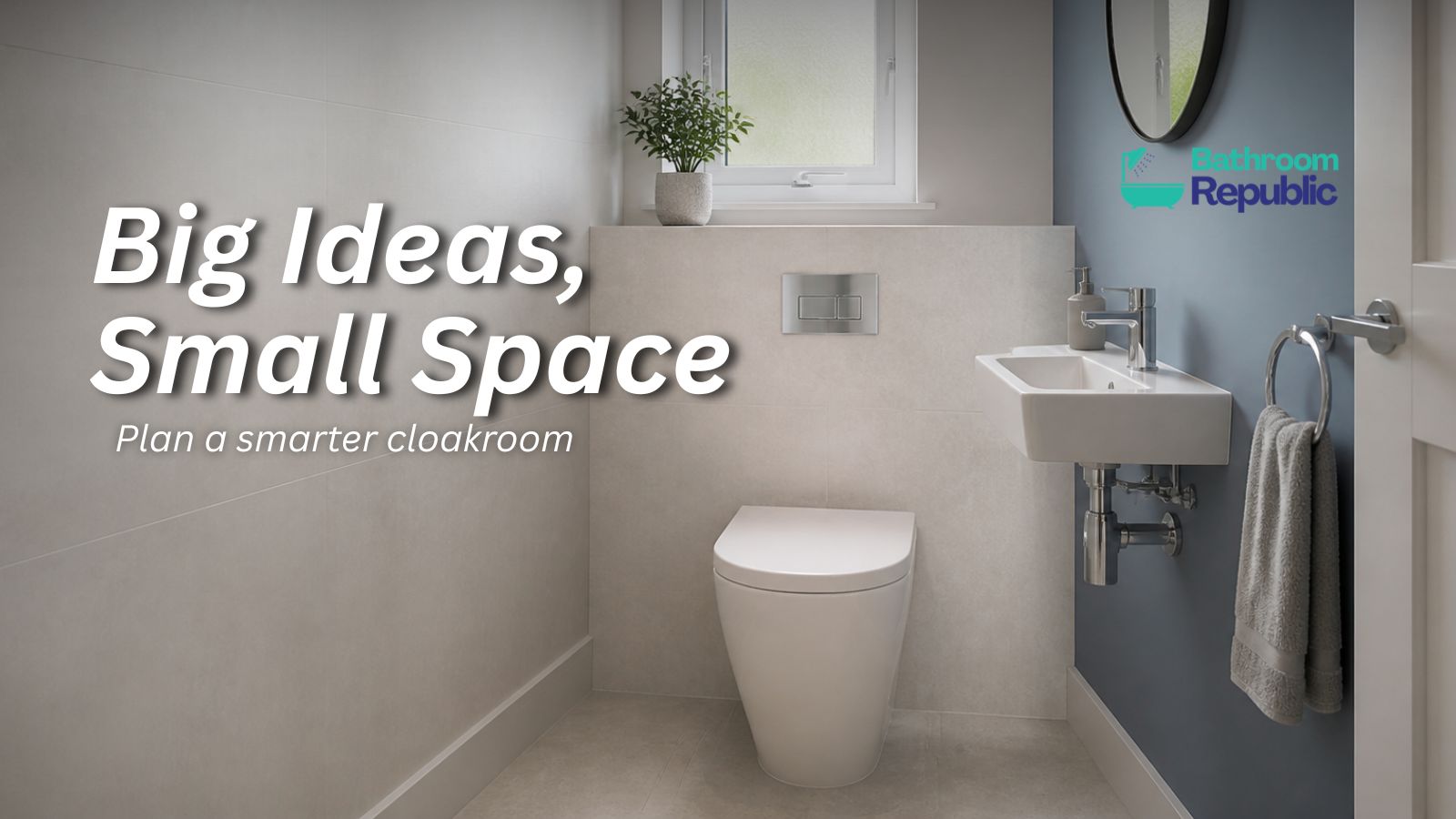
A short projection toilet extends a smaller distance into the room. Buyers planning a downstairs WC can also compare cloakroom toilets.

Choosing a Rimless Toilet
A rimless toilet provides better access to the upper inner bowl because it removes the traditional enclosed rim. However, the word rimless does not tell you how large the WC is, how it is installed or how its flushing system performs.
Compare the installation type, pan dimensions, projection, cistern requirements, seat compatibility and model-specific flush design. If moving the soil connection, water supply or concealed fittings is required, ask an experienced installer to check the proposed arrangement.
What Should You Check Before Buying a Rimless Toilet?
Back-to-wall and wall-hung installations may require compatible concealed cisterns and frames. If a seat is not supplied, compare its shape and hinge arrangement with suitable toilet seats.
Rimless Toilet FAQs
What does rimless toilet mean?
Rimless means the toilet bowl does not have the traditional enclosed ceramic channel around its upper inner edge. More of the bowl surface is exposed, allowing flushing water to be directed around it without passing through a conventional enclosed rim.
Are rimless toilets any good?
They can be a practical choice if you want clearer access to the upper bowl during cleaning. However, dimensions, flush performance and installation requirements vary. Compare each model's full specification rather than choosing only because it is described as rimless.
Are rimless toilets easier to clean?
The exposed upper bowl can be easier to see and reach because there is no traditional enclosed rim. Regular cleaning is still required, and limescale may still form. Always follow the care instructions supplied with the toilet.
Do rimless toilets flush differently?
A rimless WC directs water around the exposed bowl rather than through a traditional enclosed rim. The exact outlets, channels and water path vary by manufacturer and model, so not every rimless toilet flushes in precisely the same way.
Can you get a rimless wall-hung toilet?
Yes. Some wall-hung toilets use a rimless bowl. The pan must be paired with a compatible concealed frame and cistern. Check the required frame, fixing arrangement, finished pan height and maintenance access before installation.
Can you get a rimless back-to-wall toilet?
Yes. A rimless back-to-wall pan stands on the floor with its cistern hidden inside a WC unit or behind a suitable wall. Include the concealed cistern space and access panel when planning the installation.
Are rimless toilets suitable for small bathrooms?
They can be, but rimless refers only to the bowl design. Check the toilet's projection, width, height and required installation clearance. A rimless model with a short projection may suit a compact bathroom better than a deeper pan.
Compare Rimless Toilet Designs
Compare the installation type, dimensions, pan shape and individual product details before choosing.
Browse Rimless ToiletsHave you shopped with Bathroom Republic?
We would love to hear about your experience. Your feedback helps other customers make informed choices.
Review Bathroom Republic on TrustpilotAuthor: Bathroom Republic's Team